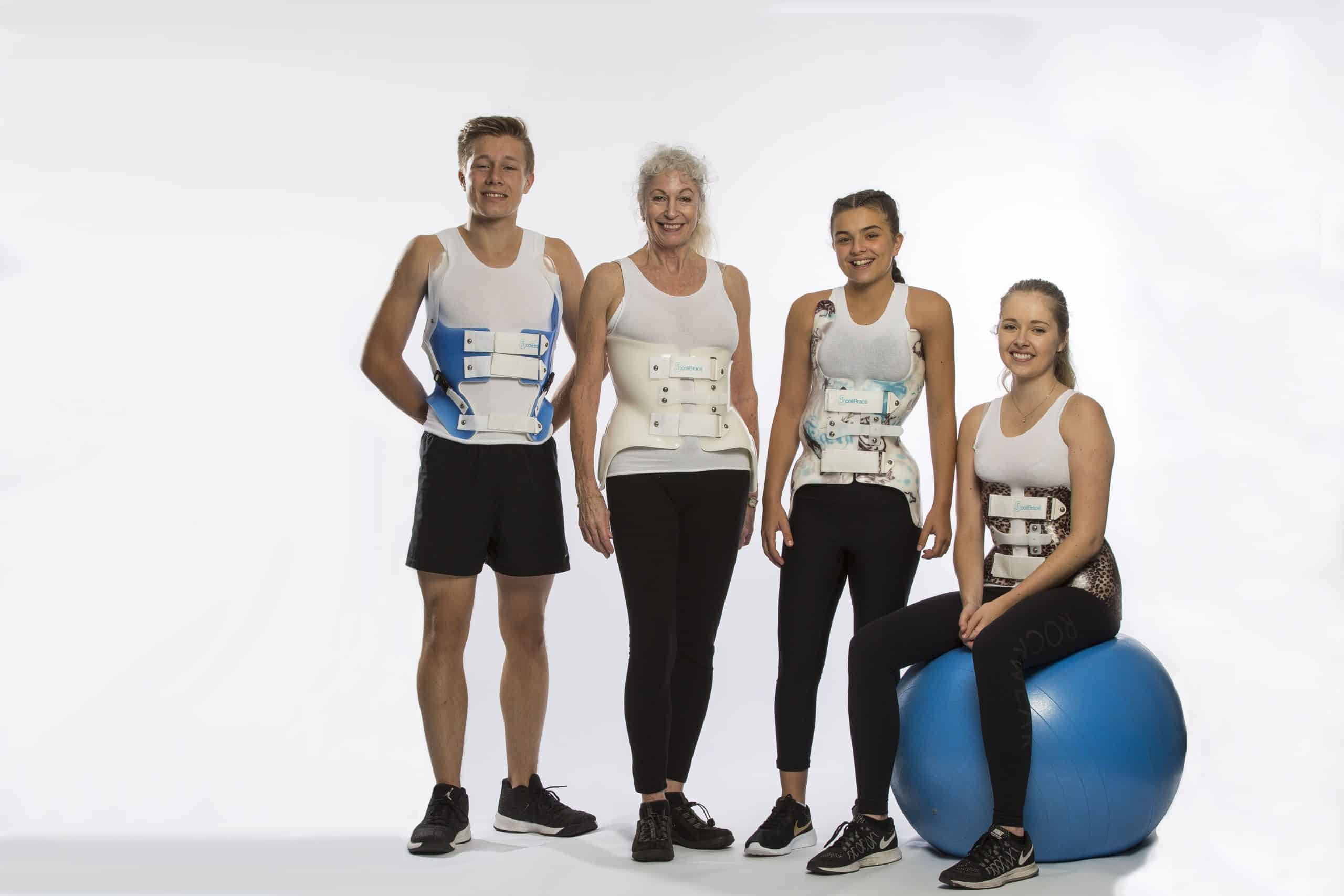
You don’t need to be a medical professional to perform a basic scoliosis check. With a few simple steps, UK parents can screen their children at home between routine appointments, filling the gap between GP or school nurse visits.
Choose a well-lit room with space for your child to stand comfortably. Ask them to wear shorts and a fitted top or go bare-backed, so you can clearly see their spine, shoulders, and waist.
From the front:
From the back:
Ask your child to slowly bend forward at the waist, letting their arms hang loosely toward the floor. Watch the spine and ribs from behind:
Any asymmetry, especially a consistent rib hump is a sign to seek expert assessment.
Look at your child from the side:
These may not indicate scoliosis directly, but can contribute to back problems and are worth mentioning to a specialist.
Take clear photos from the front, back, and side once or twice a year between ages 9 and 16, and store them together. These photo records are invaluable if you or a clinician suspects change over time.
If you notice asymmetry or are unsure:
Our team will provide a detailed examination, imaging if needed, and a clear plan.
We know home screening can feel daunting. That’s why we provide parents with clear guides, example images, and reassurance. We help interpret what you see and offer rapid follow-up if required.
Use home screening as a regular “check-up” in parallel with GP exams and school health checks. If anything seems unusual, Dorsi Spinal Institute is your first port of call for comprehensive, compassionate assessment.
Related reading: see our posts on visual warning signs, early screening ages, and adolescent idiopathic scoliosis.
Written by