
hello world!

How to Choose the Right Scoliosis Brace for Your Child

Keywords: Scoliosis, scoliosis brace, back brace for scoliosis, ScoliBrace, child

Introduction: If your child has been diagnosed with scoliosis, one of the treatment options that might be recommended is the use of a scoliosis brace. Choosing the right brace for your child is essential to ensure optimal comfort, support, and effectiveness. In this article, we will guide you through the process of selecting the best scoliosis brace for your child.

Consider the Severity of the Condition:

The type of brace your child needs will depend on the severity of their spinal curvature. For mild to moderate scoliosis, a less rigid brace may be recommended, while more severe cases may require a more robust and supportive brace. Consult with a scoliosis specialist to determine the best course of action.

Deciding Between Full-Time and Nighttime Bracing

When it comes to choosing between full-time and nighttime bracing for scoliosis, several important factors come into play. The decision is often guided by the severity and type of your child’s curve, alongside comfort and lifestyle preferences.

  • Severity of the Curve: Full-time bracing is typically recommended for children whose spinal curvature are at risk of significant progression, measure 35 degrees or greater, or for those who have double curves. These braces are worn most of the day and are aimed at providing stronger, more consistent support.
  • Curve Pattern: Nighttime bracing may be an appropriate option for single curves that are less than 35 degrees. These braces are designed to be worn only during sleep, making them less intrusive on daily activities. However there are flaws in current research and many surgeons recommend patients consult our clinic for full-time bracing as they are seeing curvatures in  children with night-time braces still progress
  • Treatment Compliance: Comfort and ease of use can play a significant role in how consistently a child wears their brace. Some children are more likely to stick with a nighttime bracing schedule because it doesn’t interfere with school or sports, which can lead to better overall adherence; but this is futile if the curvature continues to get worse; so a balanced approach is needed.
  • Doctor’s Recommendation: Ultimately, your scoliosis specialist will take multiple factors into account—including age, growth stage, and curve type to recommend the most suitable option. Consulting with your provider ensures your child gets the most effective and comfortable treatment possible.

By understanding these factors and working closely with your healthcare team, you can choose the bracing approach that best matches your child’s needs and lifestyle.

Types of Scoliosis Braces:

There are several types of scoliosis braces available, each designed for specific needs and conditions. Some common types include:

  1. Boston Brace: A custom-molded, rigid plastic brace that wraps around the torso and provides support to the spine. It is typically worn for 18-23 hours a day and is adjusted as the patient grows.
  2. Charleston Bending Brace: Designed to be worn only at night, this brace works by applying a corrective bending force to the spine while the patient sleeps.
  3. ScoliBrace: A custom-designed, 3D-printed brace that offers a high level of support and comfort. It is lightweight and can be easily adjusted as the patient's condition improves.

Full-Time vs Nighttime Bracing: Is One More Effective?

When it comes to choosing between full-time and nighttime bracing for scoliosis, the evidence remains somewhat mixed for night-time braces, and the "best" approach will often depend on the specifics of each case.

What the Evidence Tells Us

  • Full-Time Bracing: Research generally supports the idea that longer brace wear, often 18 to 23 hours per day tends to correlate with a greater chance of halting or slowing curve progression, particularly in children and adolescents with curves of 35 degrees or more or those with fast progressing curves, or in those with double curves. The theory is straightforward: more time spent in a corrective position yields more benefit.
  • Nighttime Bracing: On the other hand, bracing that is worn only overnight such as the Charleston or Providence bending braces offer some benefits; These braces are often easier for patients to tolerate and therefore see better patient compliance, which is an important factor in overall success, but the evidence is loose and many surgeons still see curves progress.

What Do Most Specialists Recommend?

Generally, doctors will lean toward full-time bracing for larger or multiple curves, while smaller, single curves may be effectively managed with nighttime bracing, especially when personal preference and day-to-day practicality come into play. No two cases of scoliosis are quite the same, so individual assessment, lifestyle factors, and close monitoring are crucial.

Ultimately, the best approach is the one that balances optimal curve control with the highest likelihood of consistent wear—so discussing your options with a scoliosis specialist is the surest way to determine what's right for you.

Comfort and Fit:

A scoliosis brace should fit snugly but comfortably, without causing pain or irritation. It is essential to ensure that the brace is correctly fitted by a scoliosis specialist, as an ill-fitting brace may not provide the desired results. Consider factors such as the material, padding, and adjustability when choosing a brace for your child.

Daily Activities and Lifestyle: The brace should not impede your child's daily activities, such as attending school, participating in sports, or engaging in hobbies. Discuss with your child's specialist about how the brace may affect their daily routine and choose a brace that provides the necessary support without limiting their lifestyle.

Regular Check-ups and Adjustments: As your child grows, their brace will need to be adjusted to maintain its effectiveness. It is crucial to schedule regular check-ups with your child's specialist to ensure the brace continues to provide the necessary support and correction.

Conclusion: Choosing the right scoliosis brace for your child is a crucial step in their treatment journey. By considering factors such as the severity of the condition, comfort, fit, and daily activities, you can select a brace that best supports your child's needs. Consult with a scoliosis specialist, such as Dr. Matthew Potts at Dorsi.uk or Spinex Disc Clinic, for guidance in selecting and fitting the appropriate brace for your child.

Keywords: Scoliosis, scoliosis brace, back brace for scoliosis, ScoliBrace, child
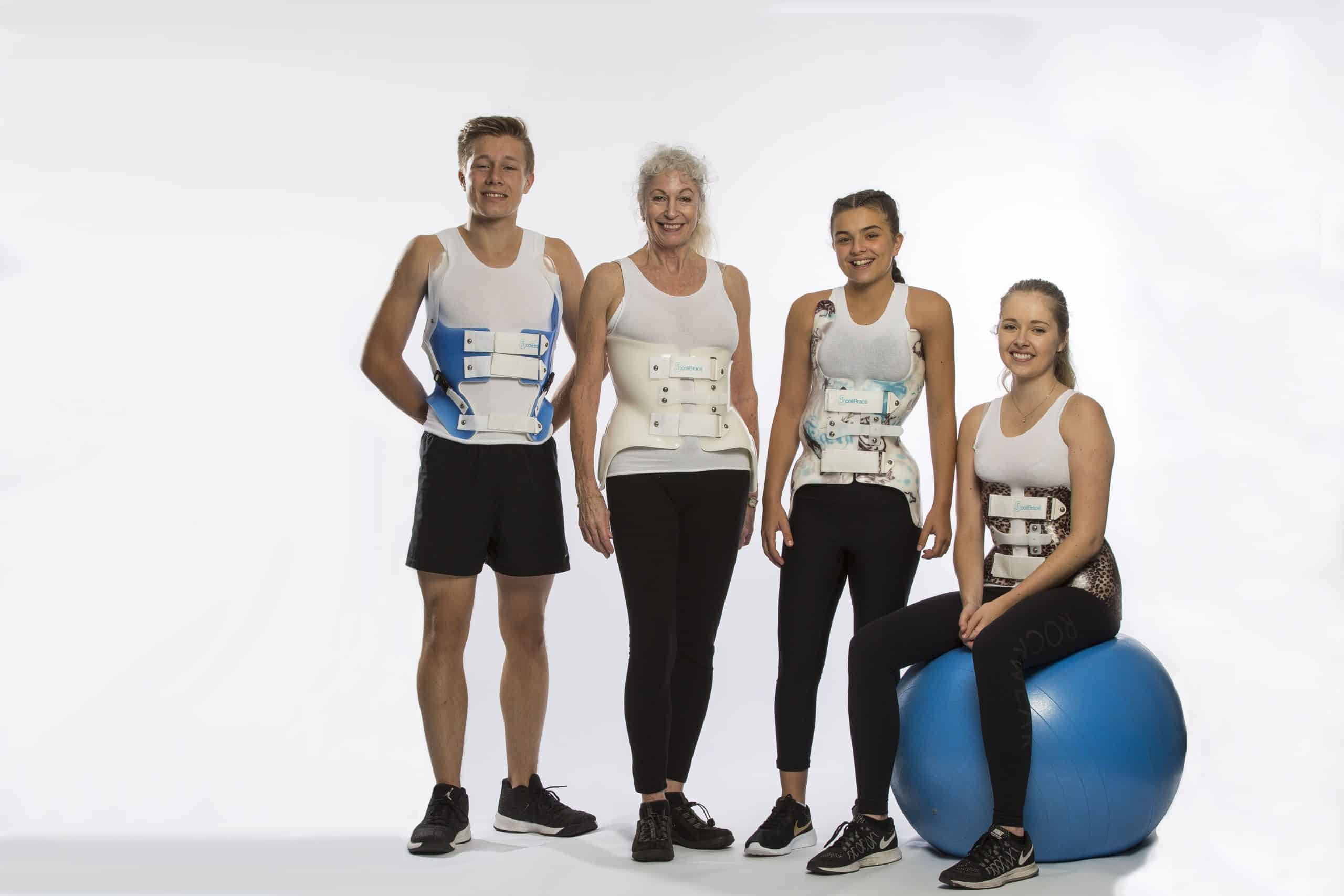

scoliosis brace
Written by 

Dr Matthew ABJ Potts BSc MSc DC ISPRM

Clinical Director
Doctor of Chiropractic
Specialist Scoliosis Consultant

Fellow of the British Scoliosis Society

Member of the Scoliosis Association (UK)

Chair of the Clinical Advisory Board at Meloq AB

Member of the International Society of Physical and Rehabilitation Medicine

Editorial board member of international journals CICRJ & Rehabilitation Science

Reviewed for Medical Accuracy March 2026
© Copyright 1996-2026- Dorsi Spinal Ltd - All Rights Reserved

Dorsi Spinal Ltd is registered with Companies House at 11 Malin Hill, Nottingham, England, NG1 1JQ in England & Wales. Company Number: 10252956.
linkedin facebook pinterest youtube rss twitter instagram facebook-blank rss-blank linkedin-blank pinterest youtube twitter instagram
