Scoliosis in Older Adults—Pain, Balance & Staying Active
In later life, scoliosis may combine with arthritis, osteoporosis, and reduced muscle strength. The focus of care shifts toward pain control, fall prevention, and preserving independence.
Typical Challenges
Older adults may experience:
- Persistent back and leg pain.
- Stooped or leaning posture.
- Reduced balance confidence.
Dorsi’s “Active Ageing” Approach
We support older patients with:
- Tailored exercise and balance training.
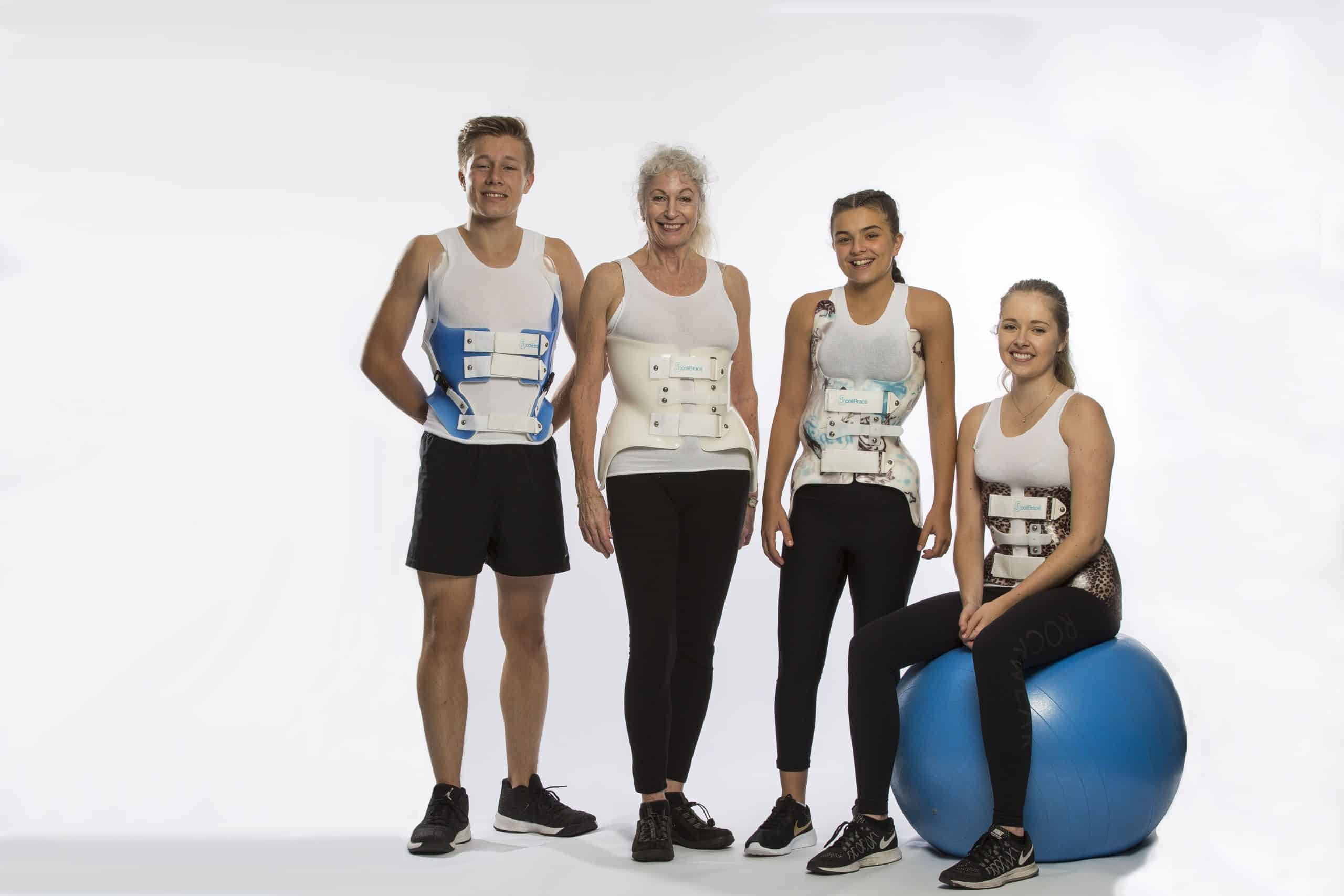
- Adult bracing where supportive.
- Advice on pacing, rest, and daily activities.
Social & Emotional Health
Dorsi also considers isolation and mood, linking patients to support services and encouraging safe social participation.
Next Steps
If you or a loved one has scoliosis in later life, Dorsi Spinal Institute can focus on what matters most: comfort, safety, and meaningful activity.
Related reading: see our blogs on elderly care, bone health, and degenerative scoliosis.
Written by
Dr Matthew ABJ Potts BSc MSc DC ISPRM
Clinical Director
Doctor of Chiropractic
Specialist Scoliosis Consultant
Fellow of the British Scoliosis Society
Member of the Scoliosis Association (UK)
Chair of the Clinical Advisory Board at Meloq AB
Member of the International Society of Physical and Rehabilitation Medicine
Editorial board member of international journals CICRJ & Rehabilitation Science
The information contained in this message is likely to be confidential and may be legally privileged. The dissemination, distribution, copying or disclosure of this message, or its contents, is strictly prohibited unless authorised by the Dorsi Spinal Institute. It is intended only for the person named as the addressee and if you have received this message in error, please immediately return it to the sender at the above address. Please follow the link to see our full privacy policy https://dorsi.uk/dorsi-spinal-institute-privacy-policy/