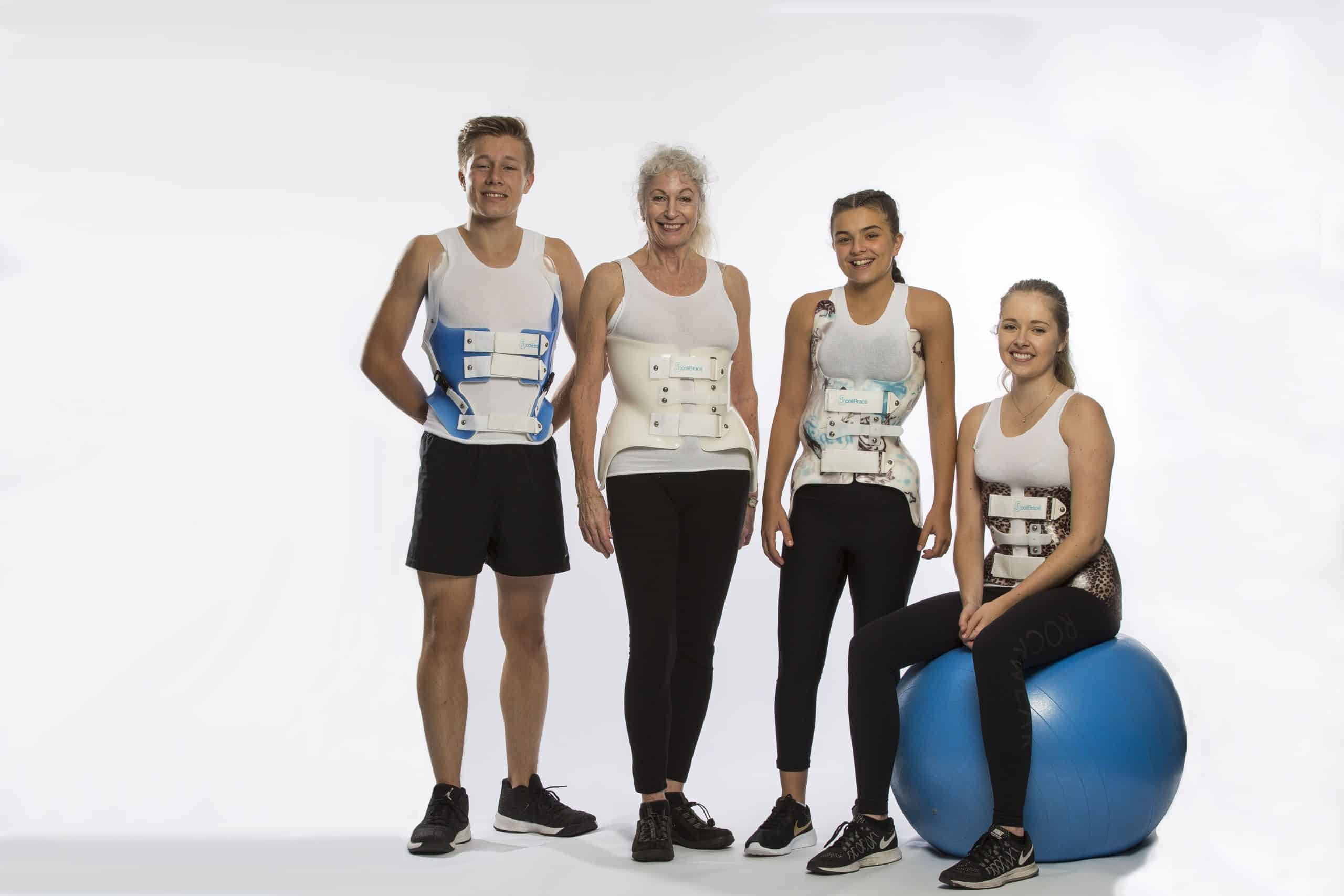
Recurrence & Late Progression—What Happens After Treatment?
Families often breathe a sigh of relief when active scoliosis treatment ends—but still worry about curves “coming back” later. Understanding recurrence and late progression helps set realistic expectations.
After Bracing in Adolescents
Once growth finishes and bracing stops, small changes in Cobb angle can occur, but large rebounds are uncommon if treatment was well-timed and successful. Dorsi monitors patients through to skeletal maturity to confirm stability.
Adult-Onset Progression
In adulthood, curves may change slowly due to degenerative processes. This “late progression” is usually modest but can occasionally cause new symptoms, especially in the lumbar spine.
Risk Factors for Later Change
Factors include:
- Larger residual curves after adolescence.
- Osteoporosis and disc degeneration.
- Poor muscle conditioning or sedentary lifestyles.
Dorsi’s Long-Term Follow-Up
We provide:
- Periodic adult check-ups.
- Bone health optimisation.
- Exercise and ergonomic programmes to protect the spine.
Next Steps
If you were treated for scoliosis in youth and are now noticing new symptoms or posture changes, Dorsi Spinal Institute can reassess your spine and advise whether late progression is occurring and what to do about it.
Related reading: see our blogs on adult scoliosis, degenerative scoliosis, and long-term outcomes.
Written by
Dr Matthew ABJ Potts BSc MSc DC ISPRM
Clinical Director
Doctor of Chiropractic
Specialist Scoliosis Consultant
Fellow of the British Scoliosis Society
Member of the Scoliosis Association (UK)
Chair of the Clinical Advisory Board at Meloq AB
Member of the International Society of Physical and Rehabilitation Medicine
Editorial board member of international journals CICRJ & Rehabilitation Science
The information contained in this message is likely to be confidential and may be legally privileged. The dissemination, distribution, copying or disclosure of this message, or its contents, is strictly prohibited unless authorised by the Dorsi Spinal Institute. It is intended only for the person named as the addressee and if you have received this message in error, please immediately return it to the sender at the above address. Please follow the link to see our full privacy policy https://dorsi.uk/dorsi-spinal-institute-privacy-policy/