Chronic Scoliosis Pain—Breaking the Cycle
For some adults, scoliosis-related pain becomes a daily companion, affecting sleep, work, and relationships. Breaking that cycle requires more than medication alone; it calls for a structured, multi-layered plan.
Why Pain Becomes Chronic
Chronic pain can be driven by:
- Ongoing mechanical stress on joints, discs, and muscles.
- Nerve irritation or compression.
- Central sensitisation—where the nervous system becomes more sensitive to pain over time.
Dorsi’s Comprehensive Pain Assessment
We look at:
- Structural factors on imaging.
- Movement patterns, strength, and flexibility.
- Sleep, stress, and activity levels.
This helps identify which levers will most effectively reduce pain.
Treatment Layers
A chronic pain plan may include:
- Targeted physiotherapy and graded exercise.
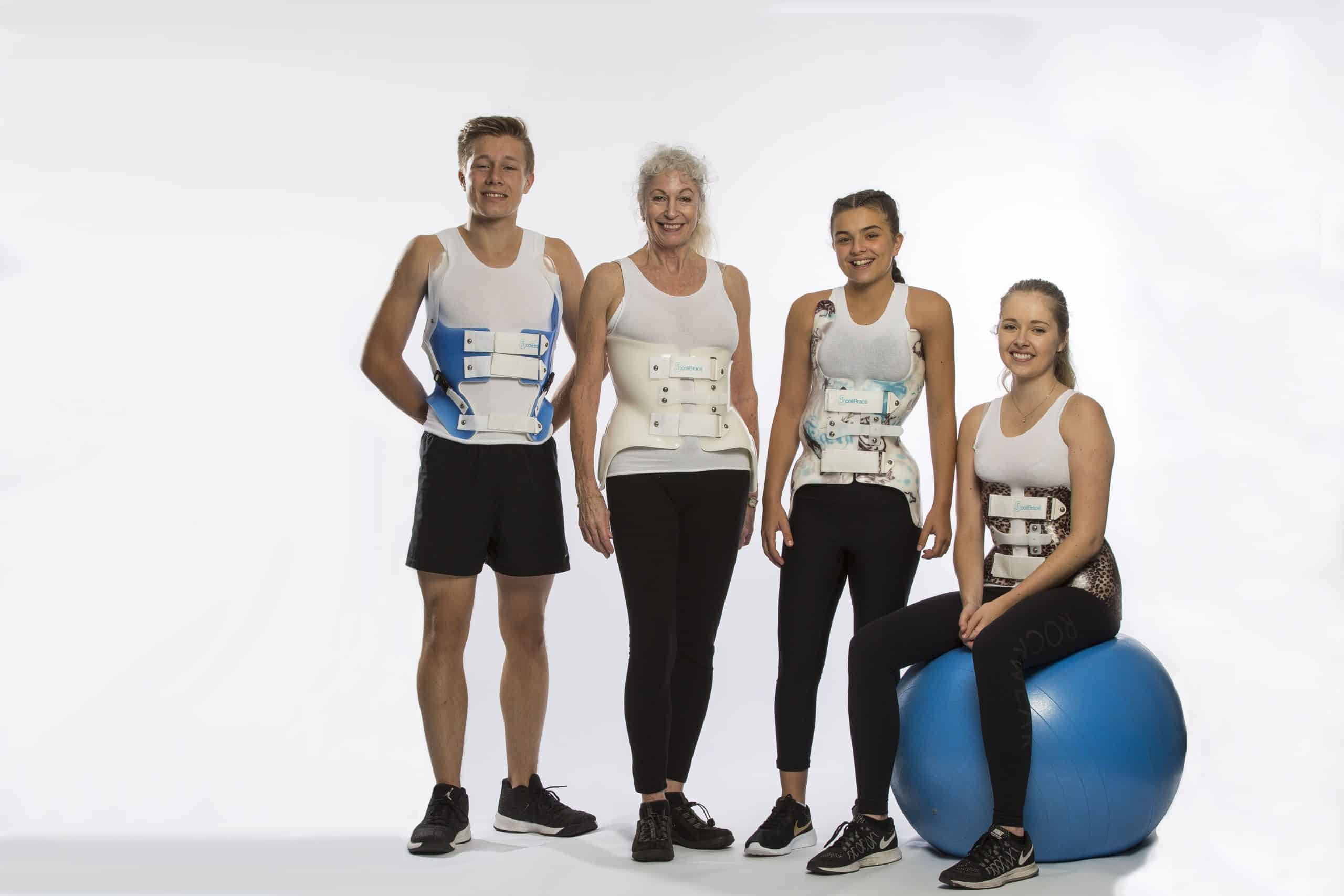
- Adult bracing for support.
- Hands-on therapy and massage.
- Medicines, injections, or nerve interventions via NHS partners.
- Pain education and cognitive strategies.
Setting Realistic Goals
For some patients, the aim is complete relief; for others, it may be reducing pain from severe to mild and restoring cherished activities. Dorsi works with you to define and achieve meaningful goals.
Next Steps
If scoliosis-related pain has become chronic and overwhelming, Dorsi Spinal Institute can help you rebuild a calmer, more active life using a structured, evidence-based approach.
Related reading: see our blogs on adult scoliosis, pain reality checks, and exercise for pain relief.
Written by
Dr Matthew ABJ Potts BSc MSc DC ISPRM
Clinical Director
Doctor of Chiropractic
Specialist Scoliosis Consultant
Fellow of the British Scoliosis Society
Member of the Scoliosis Association (UK)
Chair of the Clinical Advisory Board at Meloq AB
Member of the International Society of Physical and Rehabilitation Medicine
Editorial board member of international journals CICRJ & Rehabilitation Science
The information contained in this message is likely to be confidential and may be legally privileged. The dissemination, distribution, copying or disclosure of this message, or its contents, is strictly prohibited unless authorised by the Dorsi Spinal Institute. It is intended only for the person named as the addressee and if you have received this message in error, please immediately return it to the sender at the above address. Please follow the link to see our full privacy policy https://dorsi.uk/dorsi-spinal-institute-privacy-policy/