Kyphoscoliosis & Breathing—What You Need to Know
Kyphoscoliosis combines sideways curvature and excessive forward rounding of the spine. In more severe cases, especially involving the thoracic region, this can impact breathing. Understanding when to worry—and when not to—is vital.
How Kyphoscoliosis Affects the Chest
The rib cage attaches to the thoracic spine. When that spine is both rotated and excessively curved forwards, the chest can become distorted, reducing lung expansion space. This may lead to:
- Reduced exercise tolerance.
- Shortness of breath on exertion.
- Rarely, cardiorespiratory compromise in very severe cases.
Who Is at Higher Risk?
Breathing issues are more likely when:
- Curves and kyphosis angles are very large.
- There are additional neuromuscular or lung conditions.
- The deformity developed early in childhood and affected chest growth.
Assessing Breathing at Dorsi
We use:
- Clinical assessment of breathing pattern.
- Basic lung function tests (spirometry).
- Imaging to link spine and rib cage shape.
Where needed, we involve respiratory and cardiology specialists.
Supportive Interventions
Dorsi programmes may include:
- Breathing exercises and thoracic mobility work.
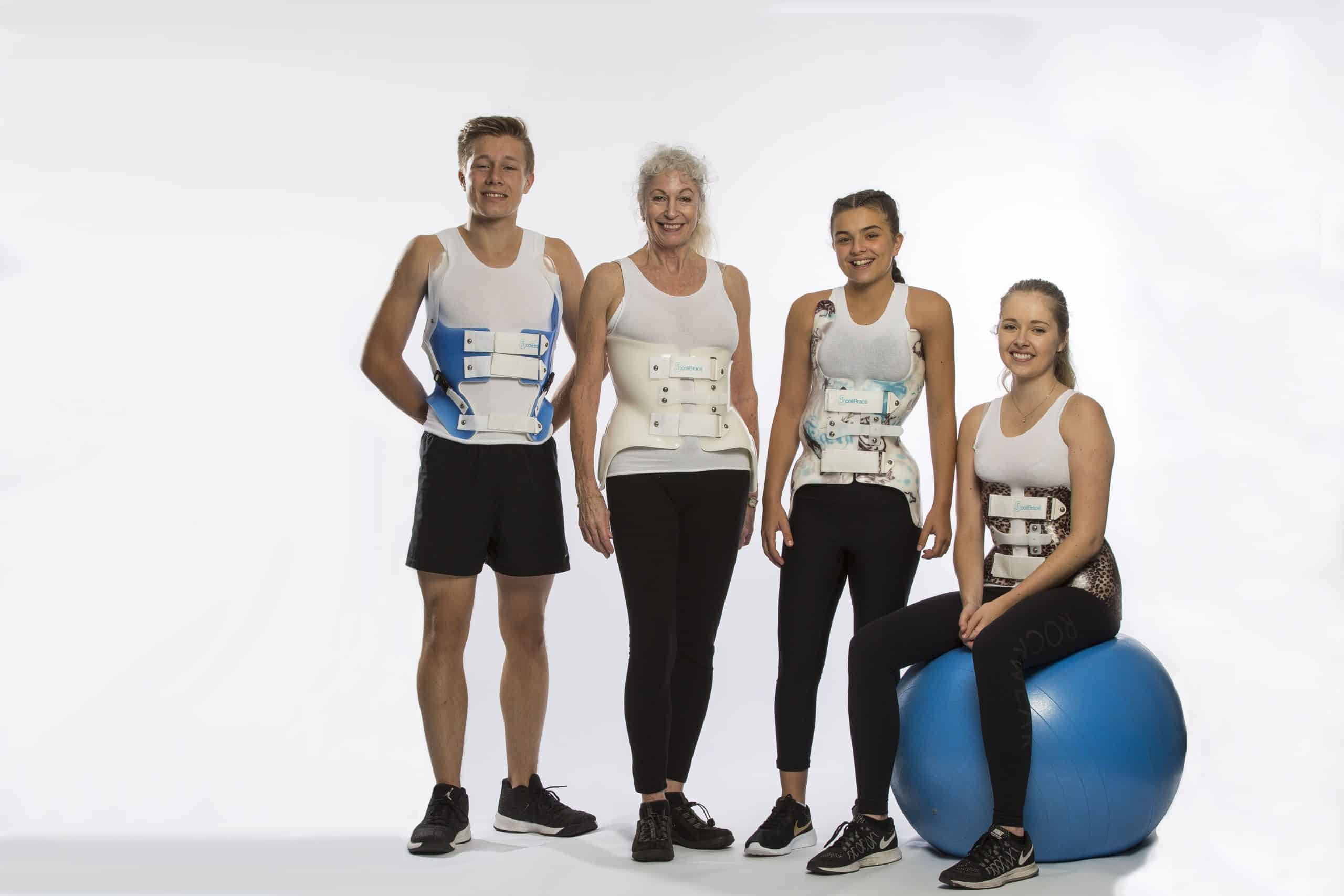
- Postural and bracing strategies to optimise chest expansion.
- Fitness training within safe limits.
Next Steps
If you or your child has kyphoscoliosis and you’re concerned about breathing, Dorsi Spinal Institute can evaluate risk and create a multidisciplinary plan to protect lung function.
Related reading: see our blogs on kyphoscoliosis, lung health, and when scoliosis affects breathing.
Written by
Dr Matthew ABJ Potts BSc MSc DC ISPRM
Clinical Director
Doctor of Chiropractic
Specialist Scoliosis Consultant
Fellow of the British Scoliosis Society
Member of the Scoliosis Association (UK)
Chair of the Clinical Advisory Board at Meloq AB
Member of the International Society of Physical and Rehabilitation Medicine
Editorial board member of international journals CICRJ & Rehabilitation Science
The information contained in this message is likely to be confidential and may be legally privileged. The dissemination, distribution, copying or disclosure of this message, or its contents, is strictly prohibited unless authorised by the Dorsi Spinal Institute. It is intended only for the person named as the addressee and if you have received this message in error, please immediately return it to the sender at the above address. Please follow the link to see our full privacy policy https://dorsi.uk/dorsi-spinal-institute-privacy-policy/