Kyphosis in Teens—When a Hunchback Isn’t Just Posture
Many parents worry about their teenager’s rounded back or slouching posture. In some cases, this is simply habitual posture; in others, it may be structural kyphosis that needs attention. Knowing the difference is important.
Postural vs Structural Kyphosis
Postural kyphosis is flexible and improves when the person consciously straightens up. Structural kyphosis, such as Scheuermann’s disease, involves changes in the vertebrae and does not fully correct with effort alone.
Signs of Structural Kyphosis
Warning signs include:
- Visible hump that doesn’t disappear when standing tall.
- Stiffness or pain in the mid-back.
- Fatigue when sitting or standing upright for long periods.
Assessment at Dorsi
Dorsi Spinal Institute assesses kyphosis with:
- Posture and flexibility tests.
- Standing x-rays to measure kyphotic angles.
- Evaluation for associated scoliosis.
Treatment Options
Depending on severity and growth stage, treatment may include:
- Targeted physiotherapy and extension exercises.
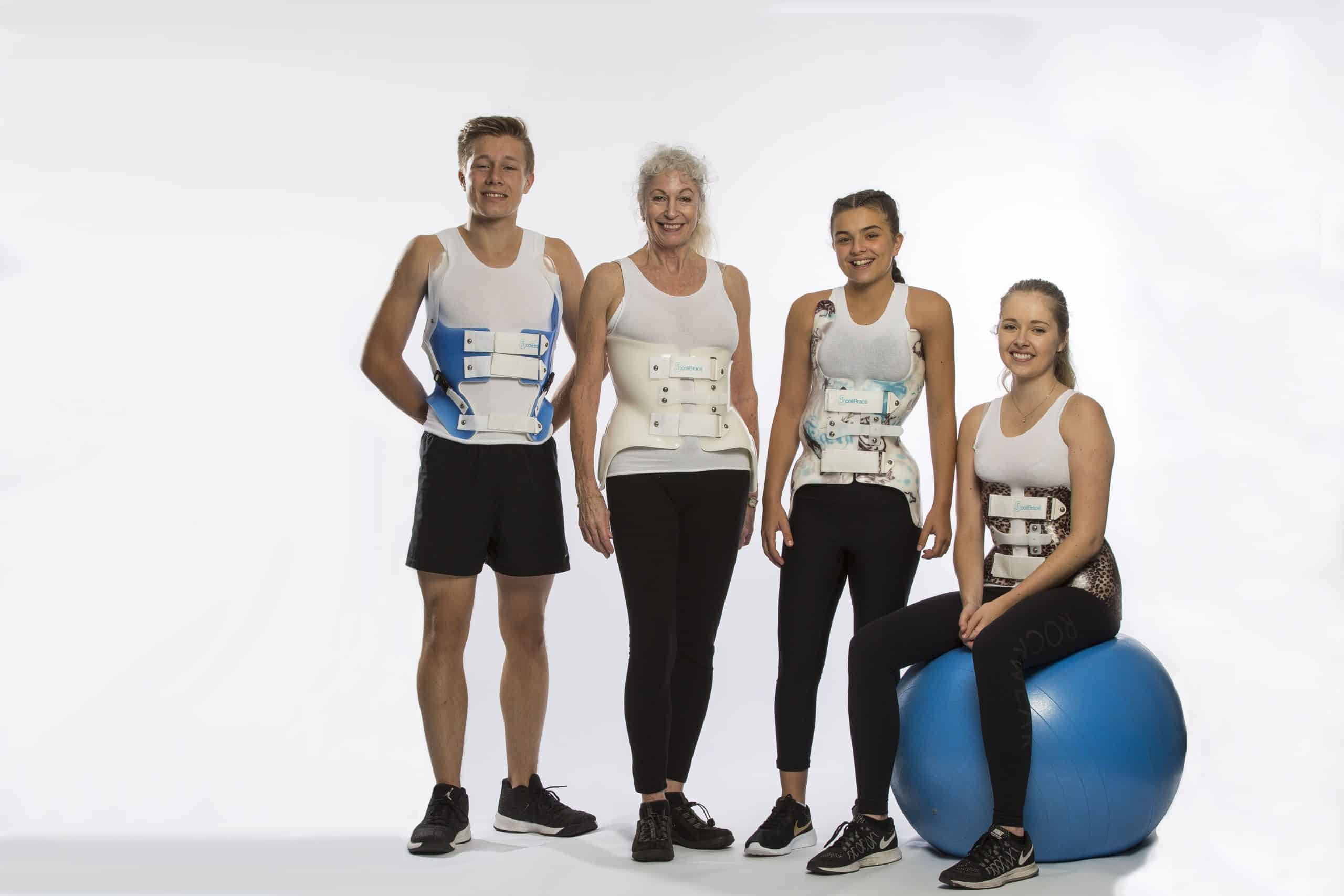
- Bracing for structural cases in growing teens.
- Pain management and posture education.
Next Steps
If your teenager has a persistent rounded upper back that doesn’t improve with simple “sit up straight” reminders, Dorsi Spinal Institute can assess whether true kyphosis is present and what can be done.
Related reading: see our blogs on kyphosis vs scoliosis, kyphoscoliosis, and adolescent posture.
Written by
Dr Matthew ABJ Potts BSc MSc DC ISPRM
Clinical Director
Doctor of Chiropractic
Specialist Scoliosis Consultant
Fellow of the British Scoliosis Society
Member of the Scoliosis Association (UK)
Chair of the Clinical Advisory Board at Meloq AB
Member of the International Society of Physical and Rehabilitation Medicine
Editorial board member of international journals CICRJ & Rehabilitation Science
The information contained in this message is likely to be confidential and may be legally privileged. The dissemination, distribution, copying or disclosure of this message, or its contents, is strictly prohibited unless authorised by the Dorsi Spinal Institute. It is intended only for the person named as the addressee and if you have received this message in error, please immediately return it to the sender at the above address. Please follow the link to see our full privacy policy https://dorsi.uk/dorsi-spinal-institute-privacy-policy/