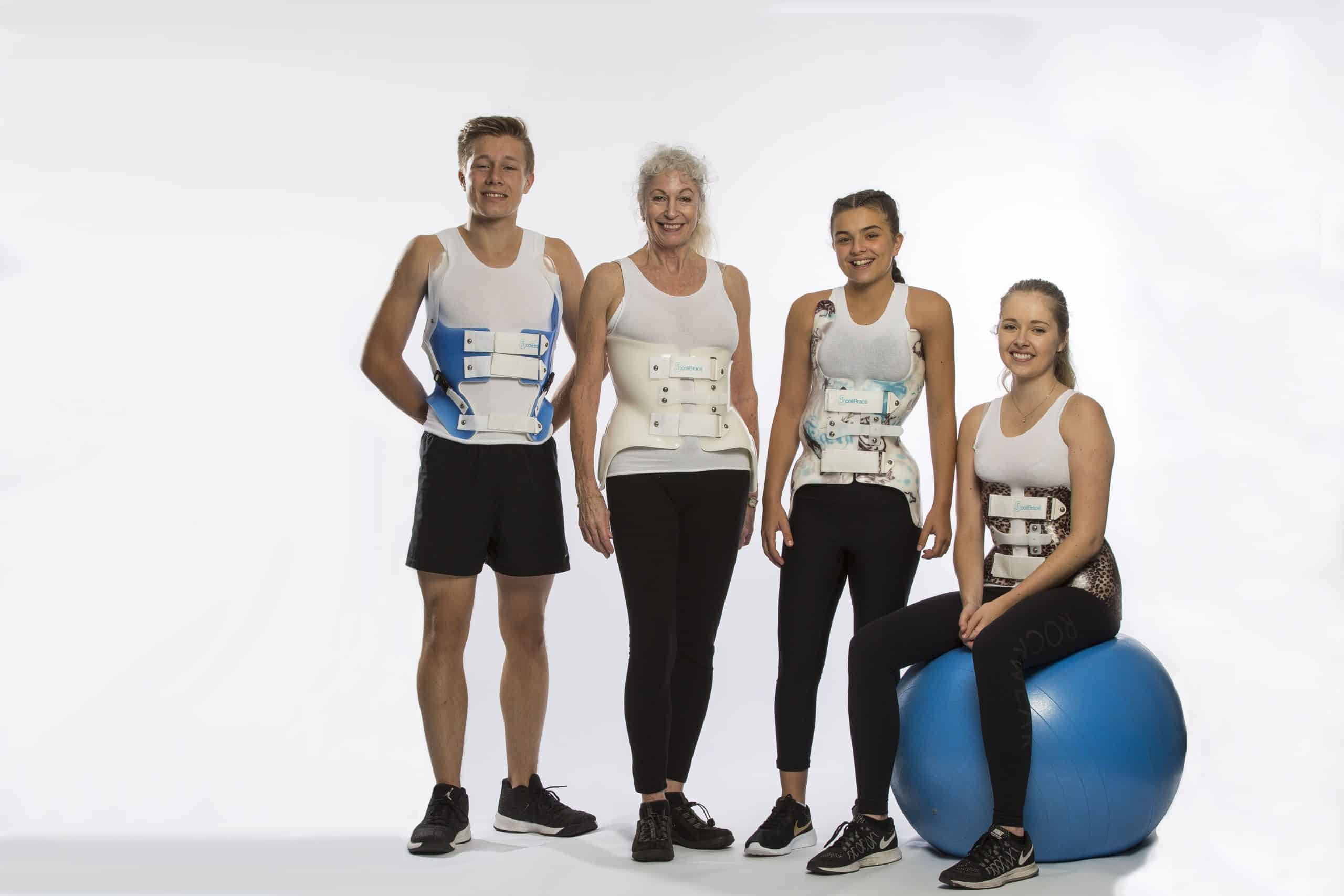
Understanding Neuromuscular Scoliosis—Types & Complex Needs
Neuromuscular scoliosis occurs in children and adults with underlying neurological or muscular conditions, such as cerebral palsy, muscular dystrophy, or spinal cord injury. These curves present unique challenges and require highly individualised care.
Why Neuromuscular Scoliosis Develops
Weak, unbalanced, or poorly controlled muscles can fail to support the spine properly. Over time, this can lead to progressive curves, especially in non-ambulant patients or those with significant tone abnormalities.
Common Associated Conditions
Neuromuscular scoliosis is often seen in:
- Cerebral palsy.
- Muscular dystrophies.
- Spinal muscular atrophy.
- Spinal cord injuries.
Complex Needs and Goals
Treatment goals may include:
- Improving sitting balance and comfort.
- Facilitating safe transfers and care.
- Protecting lung and digestive function.
Curve size is only one part of the decision-making picture.
Treatment at Dorsi Spinal Institute
Dorsi works as part of a multidisciplinary team, offering:
- Custom seating and bracing solutions.
- Physiotherapy tailored to neurological status.
- Collaboration with neurologists, orthopaedic surgeons, and rehabilitation services.
Surgical Considerations
Surgery may be considered in some neuromuscular cases to improve sitting, care, and health outcomes. Decisions are complex and always made with full input from families and the wider medical team.
Next Steps
If you or your child has a neuromuscular condition with developing scoliosis, Dorsi Spinal Institute can help coordinate specialised, realistic care that recognises every aspect of your life and health.
Related reading: see our blogs on kyphoscoliosis, breathing risks, and complex surgical decisions.
Written by
Dr Matthew ABJ Potts BSc MSc DC ISPRM
Clinical Director
Doctor of Chiropractic
Specialist Scoliosis Consultant
Fellow of the British Scoliosis Society
Member of the Scoliosis Association (UK)
Chair of the Clinical Advisory Board at Meloq AB
Member of the International Society of Physical and Rehabilitation Medicine
Editorial board member of international journals CICRJ & Rehabilitation Science
The information contained in this message is likely to be confidential and may be legally privileged. The dissemination, distribution, copying or disclosure of this message, or its contents, is strictly prohibited unless authorised by the Dorsi Spinal Institute. It is intended only for the person named as the addressee and if you have received this message in error, please immediately return it to the sender at the above address. Please follow the link to see our full privacy policy https://dorsi.uk/dorsi-spinal-institute-privacy-policy/