Why ‘Wait and See’ Can Be Risky—High-Risk Curves
“We’ll just wait and see” is a phrase many families hear after an initial scoliosis diagnosis. While observation is appropriate for some low-risk curves, it can be dangerous for others. Knowing the difference is essential.
When ‘Wait and See’ Is Reasonable
Observation may be appropriate when:
- Curves are very small (around 10–15 degrees).
- The child is almost fully grown.
- There is no evidence of recent progression.
When It Becomes Risky
“Wait and see” can allow precious time to slip by in high-risk cases, for example:
- Moderate curves (20–30 degrees) in rapidly growing children.
- Curves that have already shown recent progression.
- Strong family history of significant scoliosis.
In these situations, delaying active treatment can reduce the chance of avoiding surgery.
Dorsi’s Proactive Approach
At Dorsi Spinal Institute, we stratify patients by risk and:
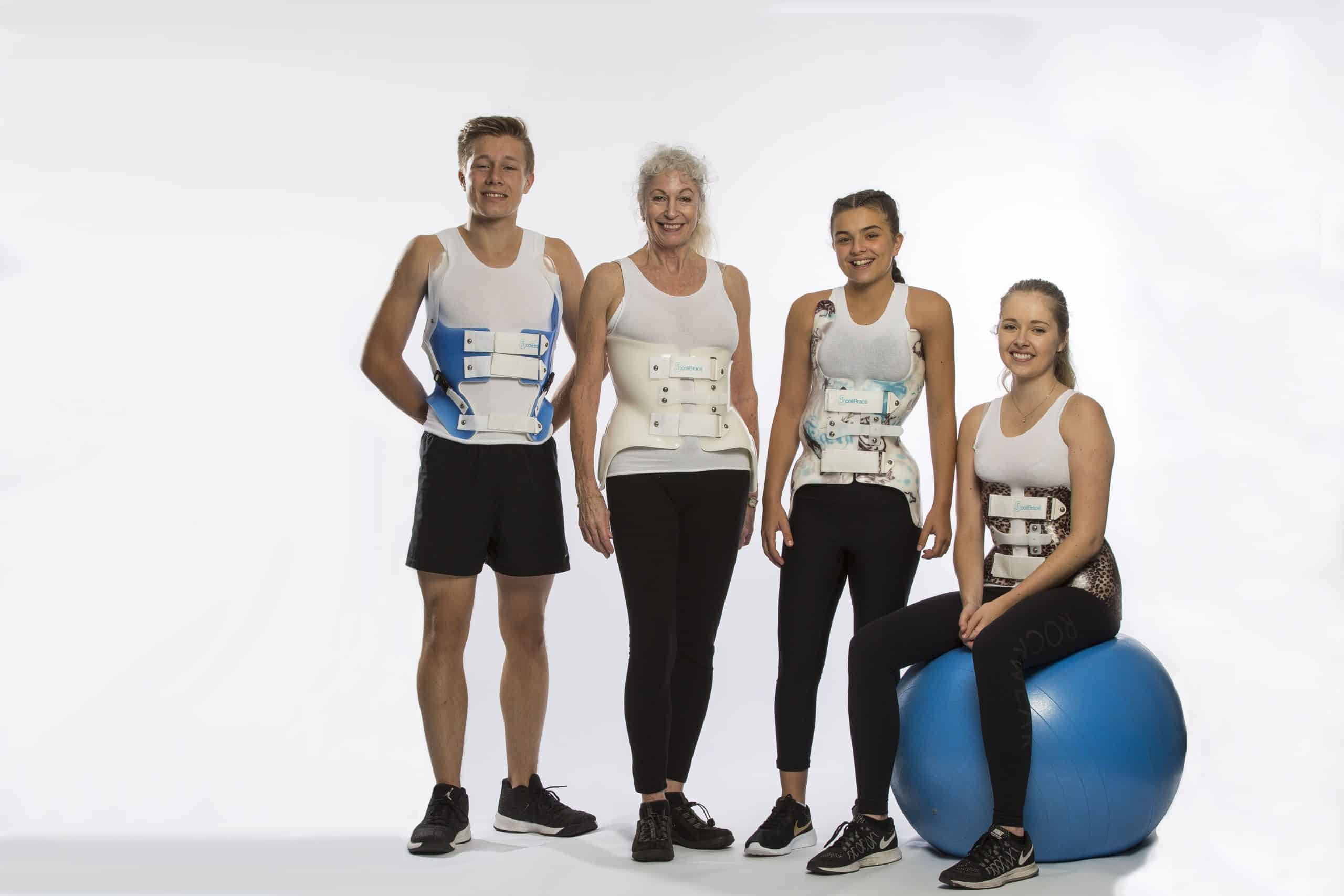
- Offer timely bracing and exercise for high-risk curves.
- Set clear review intervals with defined thresholds for action.
- Educate families about signs that should trigger earlier contact.
Balancing Caution with Calm
Being proactive does not mean panicking. It means matching the level of intervention to the level of risk, so that children with higher-risk curves are not left to progress unchecked.
Next Steps
If you have been advised to “wait and see” but feel uneasy, Dorsi Spinal Institute can provide a second opinion on whether observation alone is safe for your child’s specific curve.
Related reading: see our blogs on progression risk, mild curves, and curve correction outcomes.
Written by
Dr Matthew ABJ Potts BSc MSc DC ISPRM
Clinical Director
Doctor of Chiropractic
Specialist Scoliosis Consultant
Fellow of the British Scoliosis Society
Member of the Scoliosis Association (UK)
Chair of the Clinical Advisory Board at Meloq AB
Member of the International Society of Physical and Rehabilitation Medicine
Editorial board member of international journals CICRJ & Rehabilitation Science
The information contained in this message is likely to be confidential and may be legally privileged. The dissemination, distribution, copying or disclosure of this message, or its contents, is strictly prohibited unless authorised by the Dorsi Spinal Institute. It is intended only for the person named as the addressee and if you have received this message in error, please immediately return it to the sender at the above address. Please follow the link to see our full privacy policy https://dorsi.uk/dorsi-spinal-institute-privacy-policy/