Double Major Curves—Complex Curve Patterns Explained
Not all scoliosis curves are single, simple bends. Some patients have “double major” curves—two structural curves that balance each other. Understanding these patterns is crucial for accurate risk assessment and treatment planning.
What Is a Double Major Curve?
A double major curve typically involves two significant structural curves, often one in the thoracic spine and one in the lumbar spine. On x-ray, they may look like an “S-shaped” spine, with each curve partly compensating for the other.
Why Double Curves Matter
Double curves can:
- Be more complex to manage than single curves.
- Influence overall balance and posture differently.
- Carry distinct progression risks depending on pattern and growth.
Symptoms and Appearance
Patients with double curves may or may not have obvious visible asymmetry. Sometimes the balancing effect makes the posture look relatively straight, while x-rays show significant underlying deformity.
Treatment at Dorsi Spinal Institute
Dorsi’s approach to double curves includes:
- Detailed x-ray and 3D posture analysis.
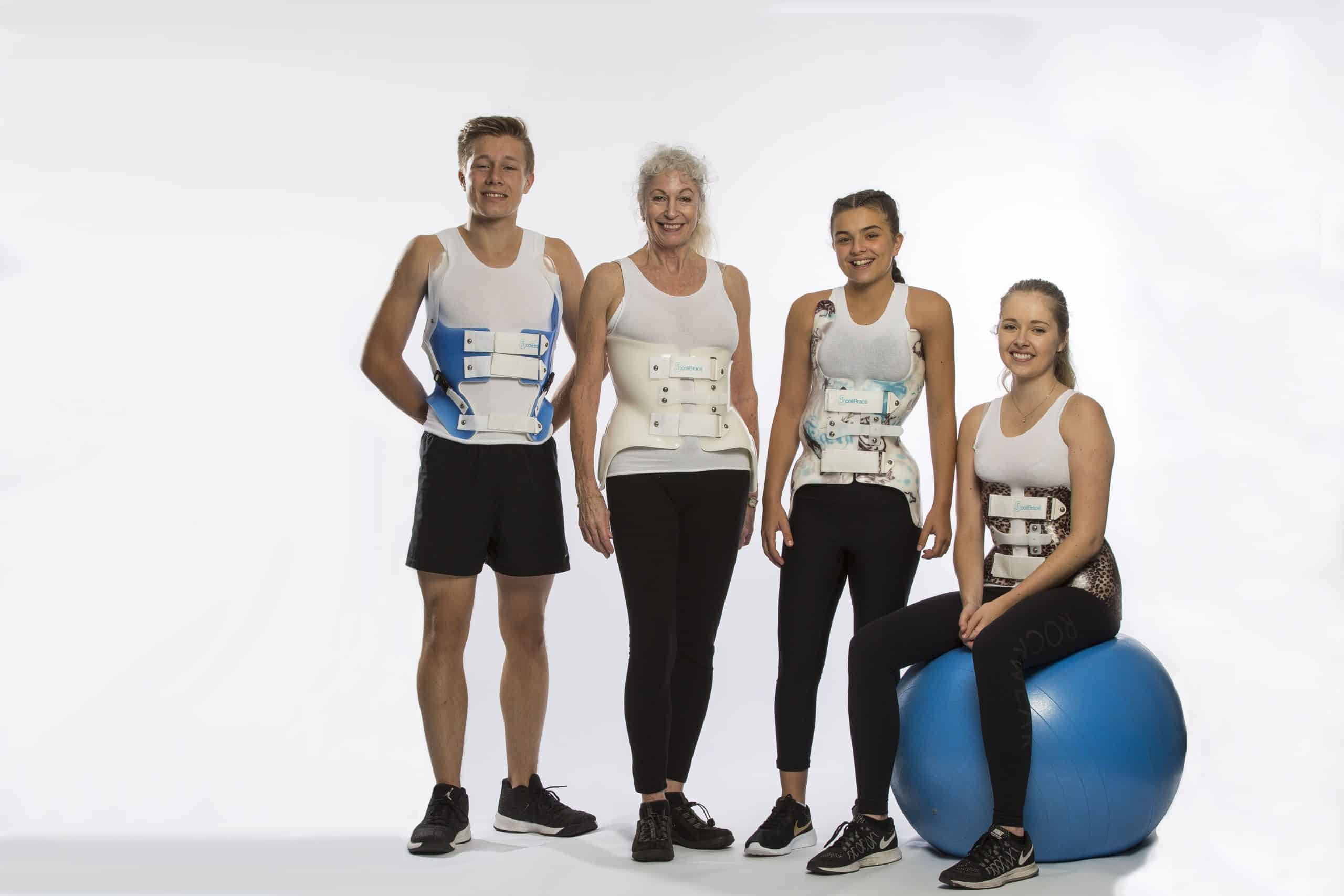
- 3D custom bracing designed to address both curves simultaneously.
- Scoliosis-specific exercise programmes that respect the complexity of the curve pattern.
Prognosis
With early, careful management, many patients with double major curves achieve good balance and function. Surgical considerations are based on progression, symptoms, and overall impact on life.
Next Steps
If you or your child has been told there are “two curves,” Dorsi Spinal Institute can explain what that means in practical terms and design a plan that addresses both parts of the spine together.
Related reading: see our blogs on curve types, Cobb angle interpretation, and high-risk curves.
Written by
Dr Matthew ABJ Potts BSc MSc DC ISPRM
Clinical Director
Doctor of Chiropractic
Specialist Scoliosis Consultant
Fellow of the British Scoliosis Society
Member of the Scoliosis Association (UK)
Chair of the Clinical Advisory Board at Meloq AB
Member of the International Society of Physical and Rehabilitation Medicine
Editorial board member of international journals CICRJ & Rehabilitation Science
The information contained in this message is likely to be confidential and may be legally privileged. The dissemination, distribution, copying or disclosure of this message, or its contents, is strictly prohibited unless authorised by the Dorsi Spinal Institute. It is intended only for the person named as the addressee and if you have received this message in error, please immediately return it to the sender at the above address. Please follow the link to see our full privacy policy https://dorsi.uk/dorsi-spinal-institute-privacy-policy/