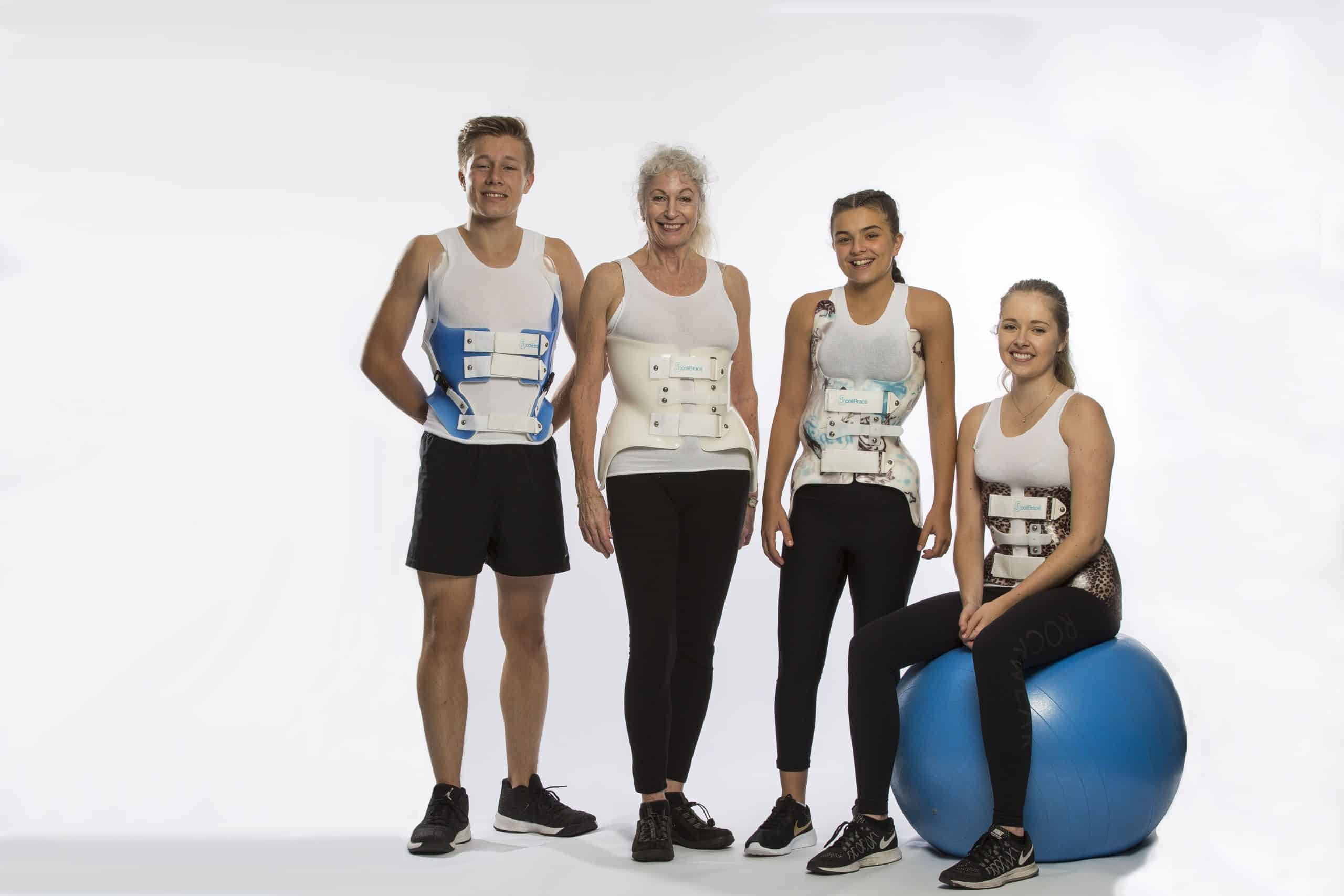
Not all exercise is equal when it comes to managing scoliosis. General fitness is helpful, but scoliosis-specific exercises are designed to counteract curve mechanics, improve posture, and reinforce brace correction.
These exercises:
At Dorsi Spinal Institute, we use approaches such as:
Combining them into an approach called ScoliBalance
Research suggests that, particularly when combined with bracing, these exercises can:
Exercises are tailored to:
Dorsi teaches patients in-clinic and then provide home plans and digital support.
If you want targeted exercise that truly supports your curve, rather than just general fitness, Dorsi Spinal Institute can design a scoliosis-specific programme that fits your needs and schedule.
Related reading: see our blogs on Schroth and SEAS, bracing plus exercise, and spine-friendly sports.
LINK.