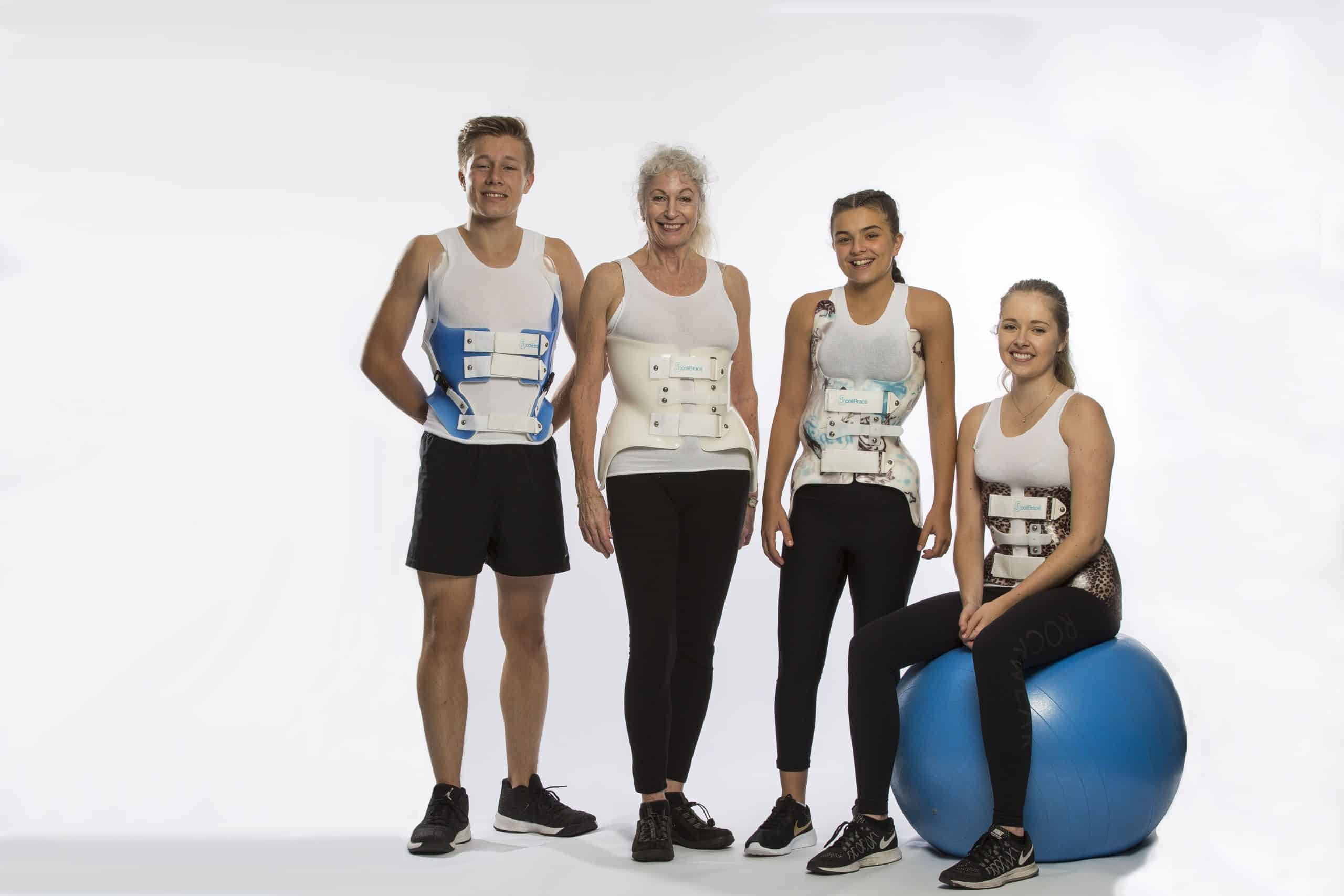
Many people with scoliosis wonder whether their condition counts as a disability in the UK and what support that might unlock. The answer depends on severity, symptoms, and impact on daily life, rather than just curve size on an x-ray.
Under the Equality Act 2010, a disability is any physical or mental impairment that has a substantial, long-term negative effect on your ability to do normal daily activities. Some people with scoliosis meet this definition; many do not.
Scoliosis could be recognised as a disability when it causes:
If scoliosis is disabling, you may be entitled to:
We support patients by:
It’s important to note that many people with scoliosis, especially those treated early, live full lives without needing disability status or benefits. The key is accurate assessment of function, not labels.
If you suspect your scoliosis is impacting daily life enough to qualify as a disability, Dorsi Spinal Institute can help you understand your rights and gather evidence for any applications or discussions with employers and schools. However we do not provide a benefits application service, we are focused on your health condition and treatment options.
Related reading: see our posts on appealing benefit decisions,living with scoliosis, and long-term adult outcomes.
LINKS:
Written by