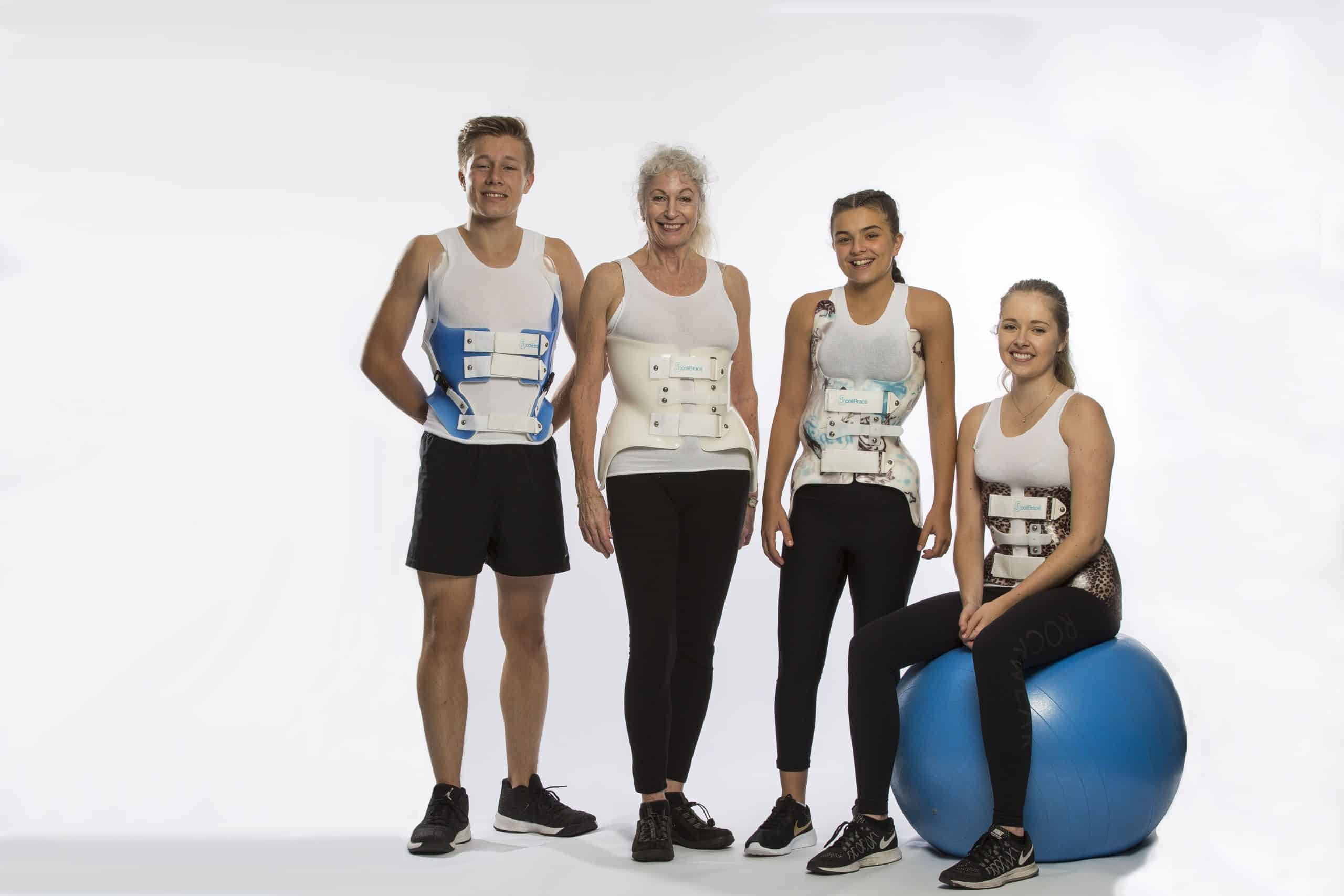
When a brace is recommended for a child or teenager, families understandably have a long list of questions. Dorsi Spinal Institute addresses the most common concerns to make the journey less daunting.
Brace wear time varies, but full-time protocols are often 18–23 hours per day during growth. Part-time or night-time wear may be possible in specific cases. We tailor recommendations to each patient and their curve.
Yes. Many patients continue sport, sometimes with the brace on, mostly off. Our clinicians provide individual guidance on which activities are suitable and how to manage brace breaks. In fact children are allowed an additional three hours each day out of their brace for exercise, whether that is general exercise, sport or scoliosis specific exercise and this tends to motivate children to be more active!
Children usually attend school normally. We provide letters and information for teachers explaining:
It can feel strange or mildly uncomfortable at first but should not cause ongoing pain. Early check-ups allow us to adjust padding, straps, and trim lines to maximise comfort.
Brace adherence is a real challenge for some families. Dorsi supports this with:
Bracing typically continues until skeletal maturity, often several years. We regularly reassess the need and adjust wear schedules as growth slows.
If bracing has been recommended and you feel overwhelmed, bring your questions to Dorsi Spinal Institute. We’ll walk you through each concern and build a bracing plan that works for your whole family.
Related reading: see our blogs on ScoliBrace specifics, bracing plus exercise, and curve correction results.
LINKS:
Scoliosis Support and Research
Written by