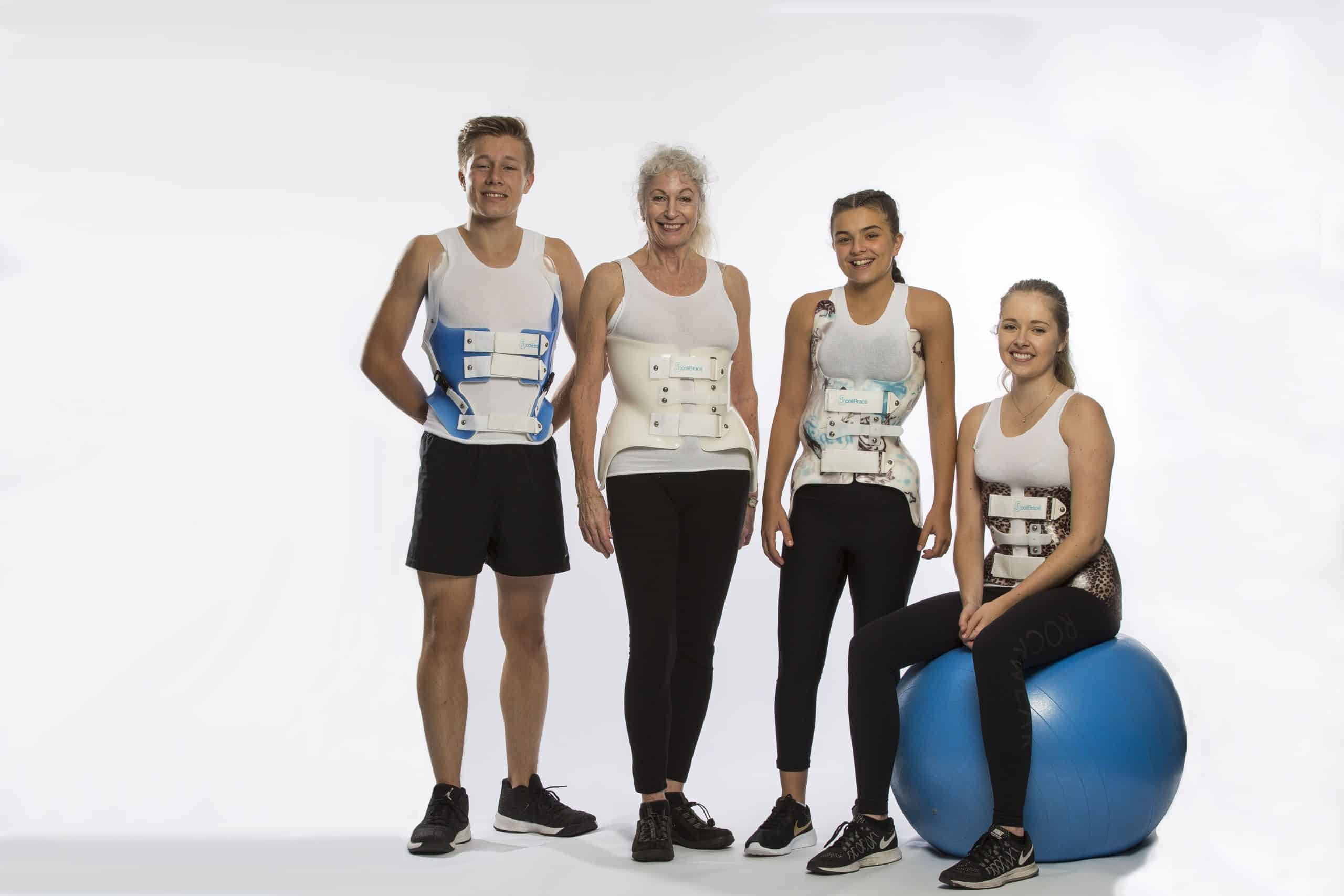
Scoliosis does not only bend spines, it can bend confidence too. For children and adolescents, a diagnosis, brace, or talk of surgery raises questions about appearance, acceptance, and the future. Emotional support is not optional; it is a core part of effective treatment.
Common Emotional Reactions
Young people with scoliosis may experience:
- Worries about looking “different.”
- Fears of being bullied or excluded.
- Embarrassment about wearing a brace.
- Anxiety about medical appointments and x-rays.
How Families Can Help
Parents and carers can support children by:
- Listening without judgment when they express fears.
- Reassuring them that scoliosis is manageable and not their fault.
- Keeping routines as normal as possible around school and hobbies.
Dorsi’s Emotional Support Framework
At Dorsi Spinal Institute, emotional health is integrated into every stage of care:
- Age-appropriate explanations about diagnosis and treatment.
- Access to a support team experienced in adolescent health.
- Peer support from other young people who have lived with braces or surgery.
School and Social Life
We also support schools and sports clubs especially dance and gymnastics clubs with education and guidance, helping teachers understand the condition and facilitate inclusion in PE, trips, and group activities.
Why Emotional Support Improves Outcomes
Children who feel supported are more likely to:
- Engage fully with treatment (brace wear, exercises).
- Maintain social networks and activities.
- Develop resilience that carries into adult life.
Next Steps
If your child has scoliosis and you notice mood changes, withdrawal, or anxiety, Dorsi Spinal Institute can help, with both clinical care and focused emotional support.
Related reading: see our blogs on confidence, adolescent scoliosis, and peer support networks.
LINKS:
NHS
Feedspot
Written by
Dr Matthew ABJ Potts BSc MSc DC ISPRM
Clinical Director
Doctor of Chiropractic
Specialist Scoliosis Consultant
Fellow of the British Scoliosis Society
Member of the Scoliosis Association (UK)
Chair of the Clinical Advisory Board at Meloq AB
Member of the International Society of Physical and Rehabilitation Medicine
Editorial board member of international journals CICRJ & Rehabilitation Science