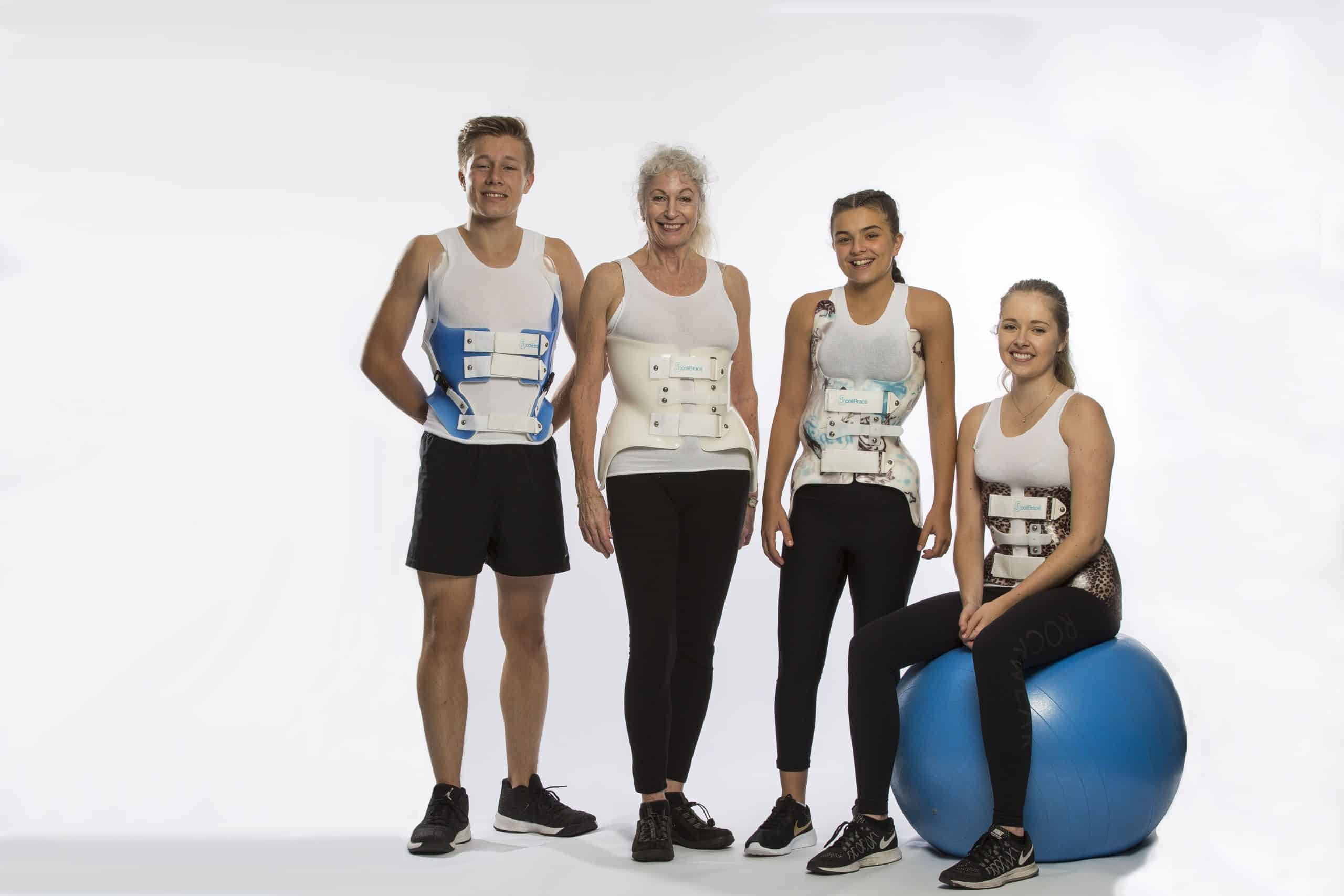
Hearing that your teenager has scoliosis can be frightening. Parents often imagine pain, disability, or a life defined by restrictions. In reality, modern treatment means most adolescents with scoliosis lead full, active lives.
The seriousness of adolescent scoliosis depends on:
Small to moderate curves caught early are usually very manageable with non-surgical treatment.
Most adolescents with properly managed scoliosis:
Bracing can feel disruptive at first, but with support from Dorsi’s team, most teens adapt quickly and resume normal routines.
Scoliosis can challenge body image and confidence. That’s why our approach includes psychological and social support, peer mentors, and practical advice for managing school, friendships, and self-expression while in treatment.
With early detection and appropriate management, only a small minority of adolescents progress to curves requiring surgery. Even many post-surgical patients return to high levels of activity.
We provide a structured, family-centered programme that encompasses diagnosis, bracing, exercise, and emotional support, designed to minimise disruption and maximise long-term health.
If your teenager has been diagnosed with scoliosis, contact Dorsi Spinal Institute for a comprehensive evaluation and a realistic, hopeful discussion about what the future holds.
Related reading: see our blogs on adolescent idiopathic scoliosis, mental health, and sports participation.
Written by