“Can this be cured?” is one of the first and most important questions families ask. The honest answer depends on curve size, growth stage, and the timing of treatment. Modern care has transformed outcomes, especially for children and teens.
A cure can mean different things:
For many patients with small, early curves managed at Dorsi Spinal Institute, scoliosis becomes a non-issue in adult life.
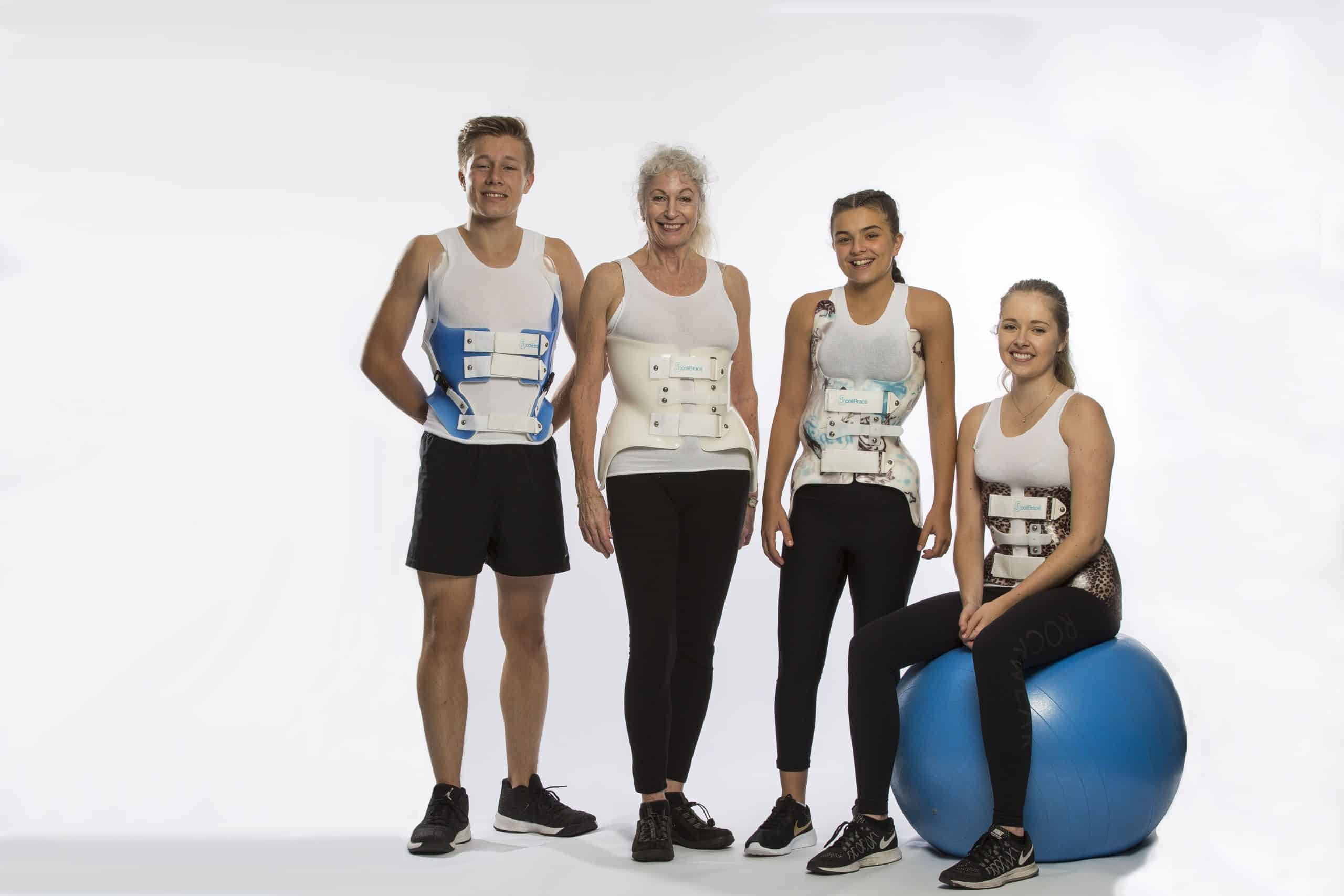
Small to moderate curves identified early can often be corrected or significantly reduced with custom bracing and scoliosis-specific exercises. These patients frequently avoid surgery and long-term disability.
In some cases, especially larger or late-diagnosed curves, complete elimination of the curve is not realistic. Here, “cure” may mean stabilising the curve so it does not worsen, relieving pain, and preventing further complications.
For severe curves, surgery can prevent life-limiting complications and often dramatically improve alignment. While a fused spine may not be “perfectly natural,” many patients live full, active lives after surgery. Although it is not without complications and should be a last resort.
We focus on early diagnosis, aggressive non-surgical management when appropriate, and honest, evidence-based counselling about prognosis. Our goal is to achieve the best possible outcome for each individual, not just a number on an x-ray.
If you’re asking whether scoliosis can be cured, you deserve personalised answers. Dorsi Spinal Institute will assess your specific curve, growth status, and goals, then outline realistic treatment options and outcomes.
Related reading: see our blogs on mild curve progression, bracing plus exercise, and when surgery is considered.
Written by