
hello world!

Schroth Therapy, ScoliBalance and other Scoliosis-Specific Exercises.

Benefits of Scoliosis Exercises:

  1. Strengthening muscles: Targeted exercises can help strengthen the muscles supporting the spine, reducing the risk of muscle imbalance and promoting better overall posture.
  2. Improving flexibility: Scoliosis exercises can increase the flexibility of the spine and surrounding muscles, making it easier for patients to maintain a proper posture.
  3. Reducing pain: By strengthening and stretching the muscles, scoliosis exercises can help alleviate pain caused by muscle tension and spinal misalignment.
  4. Slowing curve progression: Regular scoliosis exercises can slow down the progression of the spinal curve, reducing the need for more invasive treatments.

Schroth Therapy based Scoliosis-Specific Exercise Examples

While general fitness is useful, scoliosis-specific exercises are key to managing your curve and supporting your spine. 

Below are some practical exercises commonly included in scoliosis programmes, which can be performed at home or under supervision:

  • Arm/Leg Raises: Lying on your stomach, raise one arm or leg at a time (or the opposite arm and leg together for more challenge). This builds core and lower back support.
  • Cat/Cow Stretch: On all fours, alternate arching and rounding your back, which gently mobilises and strengthens spinal muscles, especially helpful for those with painful symptoms.
  • Pelvic Tilt: Lying on your back with knees bent, pull your stomach in to flatten your back against the floor. Hold and repeat. This helps build pelvic and abdominal control.
  • Latissimus Stretch: Standing, reach overhead and grasp one wrist. Lean to the opposite side for a gentle stretch along the side of your back.
  • Abdominal Press: Lying on your back, press your hands into your knees (with knees bent at right angles), activating your core without moving the legs.
  • Posture Practice: Standing tall, align your ears with your shoulders, chin gently tucked, and stomach engaged. Practise this several times a day to reinforce spinal alignment.
  • Single-Leg Balance: Stand and lift one knee up, balance on the opposite leg. Use a mirror or chair if needed. Progress by closing your eyes or crossing your arms.
  • Plank: On forearms and toes, maintain a straight line from head to heel, engaging core muscles that support the spine.
  • Upward Dog: On hands and knees, drop hips and lift your chest, stretching the front of the spine and strengthening support muscles.
  • Split Stance Arm Reach: Lunge forward, keep the spine neutral, and reach the opposite arm overhead while the other arm extends behind you.
  • Downward Dog: From all fours, lift hips towards the ceiling, lengthening the back and promoting spinal alignment.
  • Hip Roll: Lying on your back with knees bent, gently roll both knees side to side, engaging obliques and improving trunk mobility.

Always consult your scoliosis specialist before beginning a new exercise regimen to ensure exercises are appropriate for your curve type and ability. Proper technique is essential, doing exercises incorrectly can be counterproductive… IDEALLY a personalised programme will be created that is unique to your curve!

Schroth Method

The Schroth method is a physiotherapeutic scoliosis treatment developed in Germany in the 1920s. It involves a series of exercises tailored to each patient's specific spinal curvature, focusing on elongating the spine, de-rotating the ribcage, and correcting spinal imbalances. The exercises are usually performed under the supervision of a certified Schroth therapist, who will guide the patient through the proper techniques and ensure their safety.

SEAS (Scientific Exercise Approach to Scoliosis)

SEAS is an exercise-based treatment approach developed in Italy, focusing on improving spinal stability, posture, and overall function. The exercises in SEAS therapy are individualised for each patient and are designed to be easily incorporated into daily life. SEAS therapy aims to teach patients how to self-manage their condition and maintain proper posture in everyday activities.

ScoliBalance

ScoliBalance is a personalised exercise programme that combines elements of both the Schroth method and SEAS therapy. The programme is designed to address the specific needs of each patient, focusing on spinal alignment, muscle balance, and functional improvements. ScoliBalance exercises can be performed at home, making it a convenient option for patients looking to manage their scoliosis through exercise.

Scoliosis-specific exercises can be an effective, non-surgical treatment option for managing spinal curvature and improving overall function. The Schroth method, SEAS, and ScoliBalance are just a few examples of exercise-based therapies that can help patients with scoliosis. It is essential to work with a scoliosis specialist, such as Dr. Matthew Potts at Dorsi.uk or Spinex Clinic London, to develop a personalised exercise plan that meets your unique needs and goals.

Keywords: Scoliosis treatment, scoliosis exercises, Schroth method, SEAS, ScoliBalance
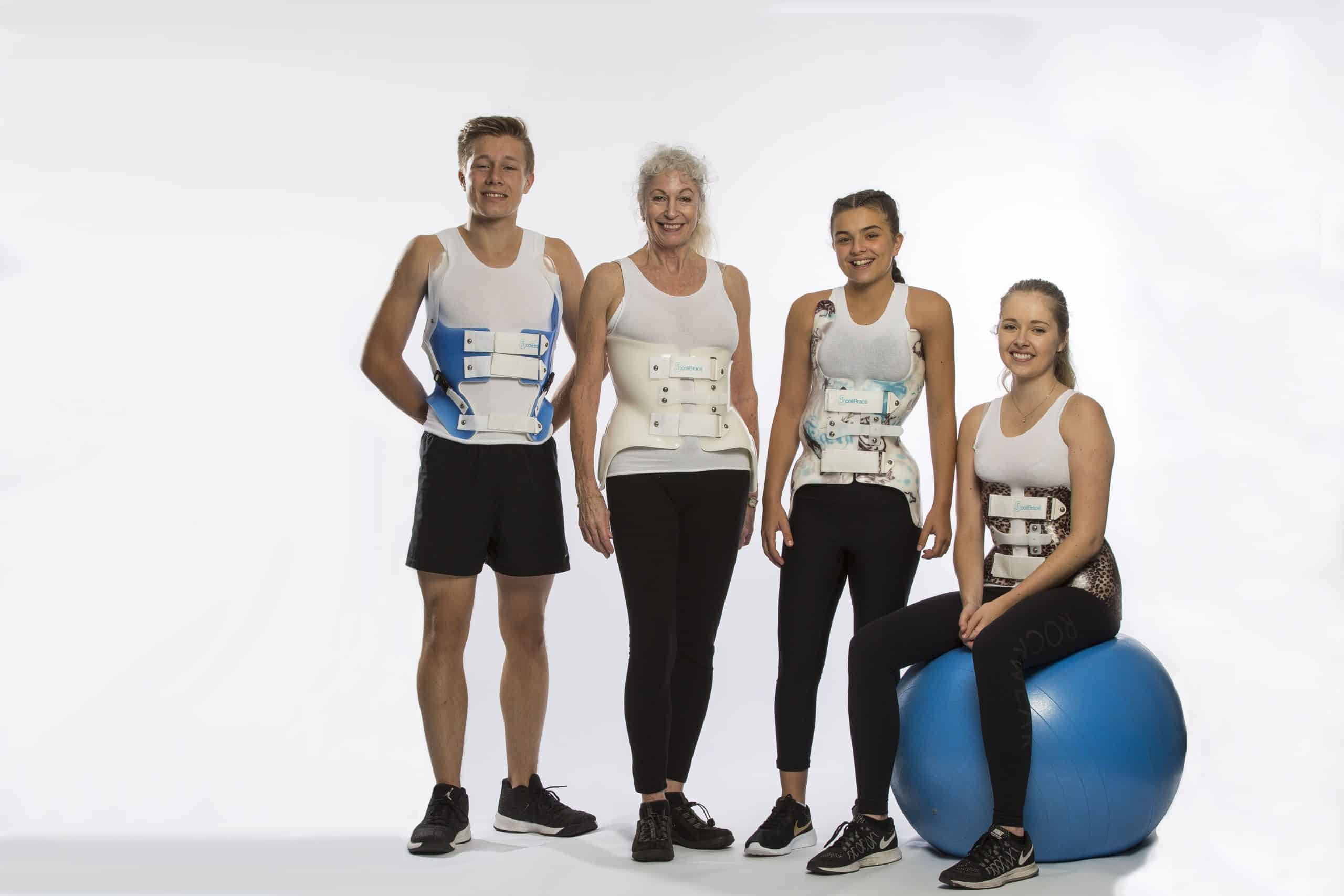

scoliosis brace
Written by 

Dr Matthew ABJ Potts BSc MSc DC ISPRM

Clinical Director
Doctor of Chiropractic
Specialist Scoliosis Consultant

Fellow of the British Scoliosis Society

Member of the Scoliosis Association (UK)

Chair of the Clinical Advisory Board at Meloq AB

Member of the International Society of Physical and Rehabilitation Medicine

Editorial board member of international journals CICRJ & Rehabilitation Science

Reviewed for Medical Accuracy March 2026
© Copyright 1996-2026- Dorsi Spinal Ltd - All Rights Reserved

Dorsi Spinal Ltd is registered with Companies House at 11 Malin Hill, Nottingham, England, NG1 1JQ in England & Wales. Company Number: 10252956.
linkedin facebook pinterest youtube rss twitter instagram facebook-blank rss-blank linkedin-blank pinterest youtube twitter instagram
