Exploring the World of Scoliosis Braces: Types and Benefits
Scoliosis, scoliosis brace, back brace for scoliosis, types of scoliosis braces, benefits of scoliosis braces
Introduction: Scoliosis braces are an essential non-surgical treatment option for individuals diagnosed with scoliosis, a condition characterized by an abnormal curvature of the spine. Braces work by applying corrective forces to the spine, helping to slow the progression of the curve and alleviate pain. In this article, we will explore the different types of scoliosis braces and their benefits.
Types of Scoliosis Braces: There are several types of scoliosis braces available, each designed to address specific needs and provide varying degrees of support and correction. Some common types include:
- Boston Brace: A low-profile, underarm brace that applies pressure to specific areas of the spine to help correct the curve. It is often used for treating lumbar and thoracolumbar curves.
- Milwaukee Brace: A full-torso brace that extends from the pelvis to the neck, providing support and corrective forces to the entire spine. It is typically used for treating high thoracic curves.
- Charleston Bending Brace: A nighttime brace designed to overcorrect the spinal curve while the patient sleeps. It is often used for treating mild to moderate scoliosis cases.
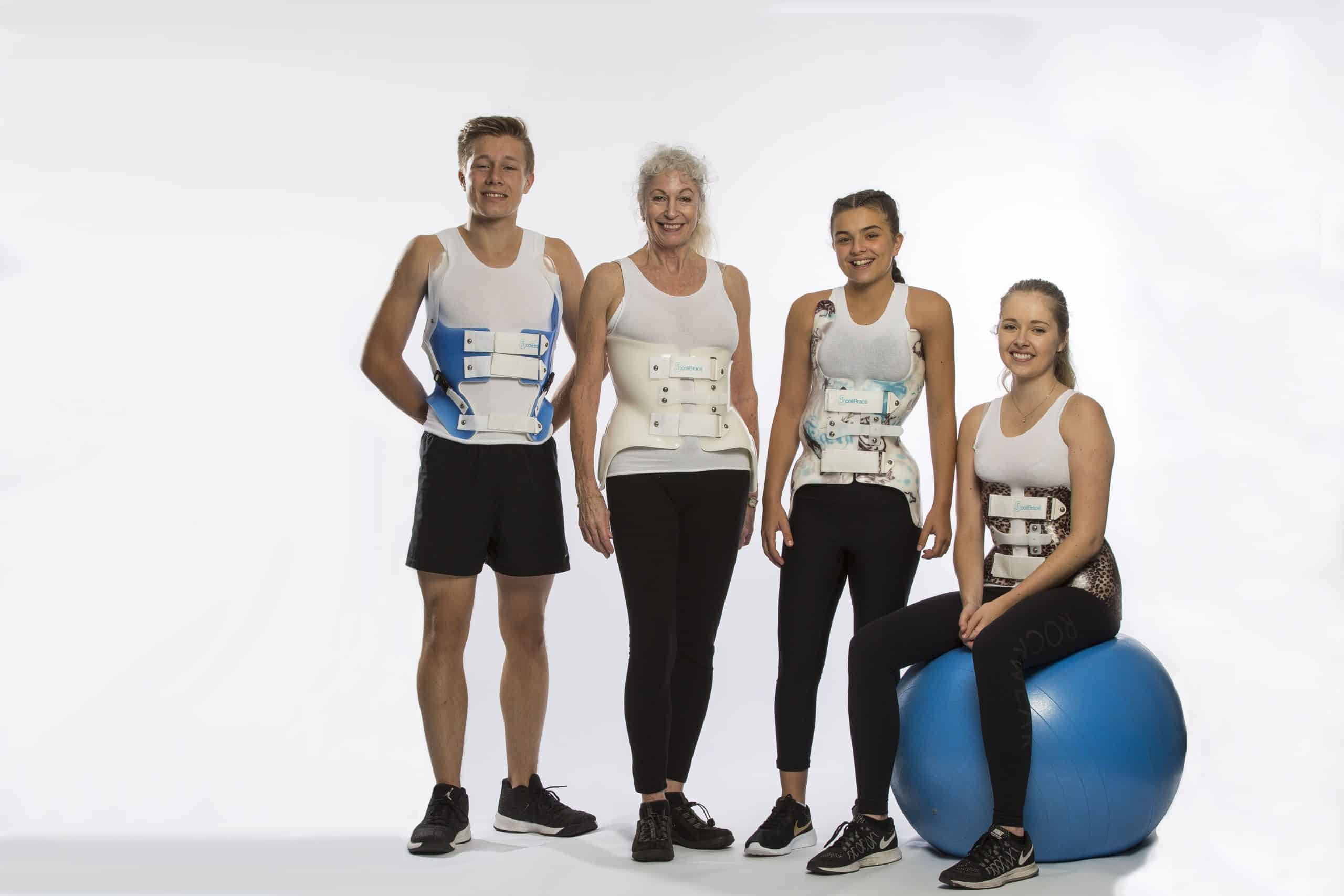
- ScoliBrace: A custom-made, rigid brace that provides three-dimensional correction and a precise fit for optimal support and comfort. It is suitable for individuals with mild to moderate scoliosis.
Which Types of Scoliosis Braces Are Suitable for Different Age Groups?
The choice of scoliosis brace often depends not just on the curve’s location and severity, but also on the age of the individual being treated.
- Children and Adolescents: Since younger individuals are still growing, rigid braces like the Boston Brace and the Milwaukee Brace are commonly prescribed for them. These braces are designed to take advantage of the natural growth process, helping to guide the spine into better alignment as the bones develop.
- Adults: After skeletal maturity, the primary goal of bracing shifts from correcting the curve to providing support and pain relief. Adults often prefer softer or more flexible brace options, which can offer stabilization and comfort for daily activities or exercise, without being as restrictive as traditional rigid designs.
In summary, rigid braces are typically used for younger patients during their growth years, while softer or less restrictive options may be better suited to adults seeking comfort and support...
Rigid vs. Flexible Scoliosis Braces: Key Differences
When exploring scoliosis brace options, you'll often encounter both rigid (hard) and flexible (soft) designs. While both aim to slow the progression of spinal curves and provide support, they differ in structure, function, and the experience they offer to wearers.
- Rigid Braces: These braces, often made from hard plastic or similar sturdy materials, are designed to hold the spine in a corrected position by applying constant pressure. Their structured design limits certain movements and is highly effective in providing consistent corrective force. Examples include the Boston and Milwaukee braces, which are commonly prescribed for a wide range of curve severities and locations. Rigid braces typically need to be worn for many hours per day for optimal results and are primarily associated with maximum control over curve progression.
- Flexible Braces: In contrast, flexible (or soft) braces use elastic, lightweight materials that allow for more freedom of movement. Rather than locking the spine in place, they aim to guide spinal growth and improve posture by gently supporting the torso. These braces often offer greater comfort, can accommodate growing children, and are less restrictive during daily activities. As a result, patients may find it easier to wear them consistently for long periods.
Considerations and Effectiveness
While flexible braces are generally considered more comfortable and less intrusive, research on their effectiveness compared to rigid braces has shown mixed results. Some studies suggest that soft braces may be less effective for certain curve types or severities, though recent findings indicate comparable outcomes in specific cases. It's important to weigh the benefits of comfort and ease of wear against the potential need for stronger corrective support, which rigid braces typically provide.
Choosing between rigid and flexible braces depends on individual needs, the specifics of the scoliosis, and a physician's guidance. Understanding these differences can help patients and families make informed decisions about the best treatment path.
Potential Drawbacks and Risks of Long-Term Brace Use
While scoliosis braces offer effective, non-surgical support for many individuals, it's important to consider some of the potential drawbacks and risks associated with long-term use:
- Discomfort and Skin Issues: Wearing a brace for extended periods can sometimes lead to discomfort, skin irritation, or even sores, especially in hot weather or with active lifestyles. Ensuring a proper fit and following care instructions can help minimize these effects. Keeping both the body and brace clean is vital. We also supply seem-free vests to wear under the brace to reduce rubbing and silver plasters are great in sore areas as the body adapts to the brace.
- Muscle Weakness: Continuous external support may cause certain muscles around the spine to weaken over time, as they rely more on the brace rather than engaging naturally. THIS DOES NOT happen in ScoliBrace hyper-corrective braces as voids are built into the brace to allow the body to move, reducing muscle weakness. However it is a real issue with TLSO braces.
- Social and Emotional Impact: Some patients, particularly children and teenagers, may feel self-conscious wearing a brace at school or in social situations. This can affect self-esteem and participation in activities. Honest and open dialogue is important in families and with your clinical team.
- Reduced Flexibility: Stiffness and reduced mobility can occur after prolonged brace use, making some movements more challenging, especially when first removing the brace after extended wear. We recommend Scolibalance sessions alongside bracing to improve flexibility and muscle activity. This is also important towards the end of bracing when reducing brace wearing time to train the body to hold the same mirro-image positions without the support of the brace.
- Adherence Challenges: Consistent, proper use of the brace is crucial for effectiveness. However, long-term commitment can be demanding and requires regular follow-up with a specialist to ensure the brace remains comfortable and functional.
Despite these potential concerns, working closely with a scoliosis specialist and following individualised treatment plans can help address most issues and optimize the benefits of bracing.
How to Wear and Adjust Scoliosis Braces for Best Results
Proper wear and adjustment are key to ensuring that a scoliosis brace delivers the best possible results while staying comfortable throughout daily life. Here are some essential guidelines to keep in mind:
- Personalized Fitting: A brace such as the ScoliBrace must be custom-fitted by a specialist. This ensures the brace contours to your body and applies corrective pressure exactly where it’s needed.
- Adjustment Schedule: Because bodies, especially growing ones can change shape and size, it’s important to attend regular follow-up appointments. These allow your healthcare provider to check the brace’s fit and make adjustments as needed to maintain effective support. The typical schedule is an in-brace x-ray once you have reached the prescribed wearing time. Usually 4-6 weeks after fitting. This ensures the brace is correcting the apex of the curvature. Then we review you every three months, with x-rays every six months. However the Dorsi Spinal Institute offer unlimited COMFORT reviews between the scheduled appointments if the wearer starts to develop discomfort or grows, needing an earlier review. Our clinic is the only one in the UK to offer an all-inclusive programme and reassures patients that we will do all we can for you to get maximum benefit and a brace that is as comfortable as possible.
- Daily Wear Routine: Most braces are prescribed to be worn for a certain number of hours each day, often between 16 to 23 hours. Nighttime options, like the Charleston Bending Brace or Providence brace, are designed specifically for overnight use. Be sure to follow your doctor’s prescribed schedule for maximum benefit.
- Clothing and Comfort: Wear a lightweight, seamless t-shirt under your brace to minimize skin irritation and maximize comfort. Traditional braces like the Milwaukee may require special attention to clothing choices to accommodate their structure.
- Movement and Activity: Some braces, like the SpineCor, allow for more flexibility and movement, supporting active lifestyles; but research shows that they are not effective at stopping curve progression or correcting scoliosis. Always discuss activity levels and any difficulties with your care team to find the best balance between mobility and correction.
- Signs to Watch For: Monitor for any signs of discomfort, skin redness, or areas of pressure. If these occur, alert your healthcare provider right away for timely adjustments.
By sticking closely to your provider’s instructions and maintaining regular check-ins, your brace can help you achieve the greatest benefit with the least discomfort, setting the stage for an improved posture and quality of life.
Benefits of Scoliosis Braces: Wearing a scoliosis brace can provide several benefits for individuals with scoliosis, including:
- Slowing curve progression: Braces help to slow down the progression of the spinal curve, potentially reducing the need for more invasive treatments such as surgery.
- Pain relief: Scoliosis braces can help alleviate pain caused by muscle tension and misaligned vertebrae by supporting the spine and promoting better posture.
- Improved posture: By addressing spinal imbalances, braces can help improve overall posture, leading to increased self-confidence and a better quality of life.
The Role of Skeletal Maturity in Bracing Success
When considering scoliosis bracing, one key factor that can influence its effectiveness is skeletal maturity. Bracing tends to be most effective in adolescents whose bones are still growing. This is because the brace can guide the spine’s growth during this period, helping to control or even reduce the curvature.
- Growing spines respond better: Younger patients with open growth plates typically see the greatest benefit from bracing, as the corrective forces help redirect spinal development.
- Skeletal maturity matters: Once bone growth is complete—usually in late adolescence—the spine is less responsive to bracing alone, making non-surgical correction more challenging.
- Tailored bracing plans: Orthopedic specialists will often assess a patient’s skeletal maturity, often using growth indicators like the Risser sign, to determine the optimal timing and duration for brace treatment.
By aligning brace use with a patient’s growth phase, doctors can maximize the chances of a positive outcome and slow the progression of scoliosis.
The Importance of Patient Education and Support in Scoliosis Brace Success
While the physical benefits of scoliosis braces are clear, the journey to successful treatment hinges just as much on the human side of care, namely, education and emotional support. Wearing a brace can pose several challenges. Discomfort, skin irritation, and concerns about appearance can all make day-to-day life more complicated and may sometimes tempt patients, especially teenagers, to skip wearing their brace as prescribed.
The key to overcoming these hurdles is patient education. When individuals and their families understand how a brace works, its role in managing scoliosis, and the long-term benefits, they are far more likely to stay committed to treatment. Thorough instructions about proper brace care and troubleshooting common problems empower patients to feel in control and less anxious.
Equally important is emotional support. Experiencing scoliosis—particularly while navigating school, social life, and self-image, can take a toll. Health professionals, family members, and even online scoliosis support communities can offer encouragement and strategies for coping with the emotional ups and downs involved.
Comfort solutions have also evolved, with features like custom padding, lighter materials, and more discreet designs now widely available. However, no technology can replace the value of open communication. Regular conversations between patients and specialists (such as Dr. Matthew Potts at Dorsi.uk) help address concerns early, adapt brace fit, and personalize recommendations as life circumstances change.
By combining the right information, thoughtful support, and ongoing dialogue, patients are set up for the highest chance of effective, positive outcomes with their scoliosis brace.
Exercise-Based Therapies vs. Bracing: Long-Term Considerations
While scoliosis braces are a cornerstone of non-surgical management, exercise-based therapies have emerged as a complementary and sometimes alternative approach for long-term care. Unlike bracing, which primarily works by physically restricting the curve’s progression, exercise therapies focus on retraining the body’s neuromuscular systems to support spinal alignment and function.
How Exercise-Based Therapies Work
These therapies involve targeted exercises that aim to:
- Strengthen core and back muscles
- Improve postural awareness
- Promote balance and flexibility
- Encourage better spinal alignment
Popular methods, such as the Schroth Method and SEAS (Scientific Exercise Approach to Scoliosis), use personalized exercise plans to train the brain and body to work together, enhancing the body's natural ability to correct posture.
Comparing Effectiveness with Bracing
- Curve Management: Bracing is the only effective method that can help slow the progression of scoliosis. However, exercise therapies may be better suited for those with mild curves or as a supplement to bracing in more advanced cases.
- Quality of Life: Exercise programmes often improve mobility, flexibility, and muscle strength, which can reduce discomfort and enhance daily function. Many patients report feeling more empowered and engaged in their own care.
- Long-Term Outcomes: Studies suggest that integrating exercise-based therapy with bracing may provide the best results, especially for adolescents. These combined approaches can support spinal health even after bracing ends, helping to maintain postural improvements over time.
When to Consider Exercise-Based Treatment
Exercise-based therapies can be an appealing option for:
- Individuals with mild scoliosis who wish to be proactive with their care
- Patients looking to support or prevent recurrence after bracing
- Those seeking a more active role in their treatment plan
Conclusion: Scoliosis braces play a vital role in the non-surgical treatment of scoliosis. By understanding the different types of braces available and their benefits, patients can work with their scoliosis specialist, such as Dr. Matthew Potts at Dorsi.uk, to determine the most suitable brace for their unique needs and goals. With proper use and compliance, scoliosis braces can help manage scoliosis effectively, slowing curve progression and improving the patient's quality of life.
Scoliosis, scoliosis braces, back brace for scoliosis, types of scoliosis braces, benefits of scoliosis braces
Other articles that may be of interest.