Many adults first hear the phrase “degenerative scoliosis” in midlife or later, often after months or years of nagging back pain. Unlike adolescent idiopathic scoliosis, which appears during growth, degenerative scoliosis typically develops as a result of age-related wear and tear in the spine.
What Is Adult Degenerative Scoliosis?
Adult degenerative scoliosis, sometimes called “de novo” scoliosis, usually arises after the age of 40 or 50. As spinal discs lose height and joints become arthritic, the spine can start to lean or curve, creating a new scoliosis or worsening a small, previously unnoticed curve.
There are actually two main types of scoliosis that can trouble adults:
- Childhood scoliosis that becomes symptomatic in adulthood: This is when someone had a mild curve during their younger years, often so subtle it went unnoticed or didn’t cause problems, but with time and spinal degeneration, symptoms develop later in life.
- De novo (new) adult scoliosis: This form begins in adulthood, typically due to the gradual breakdown of the spine’s joints and discs; essentially, the wear and tear that comes with aging.
Both types can lead to similar symptoms and challenges, but understanding the distinction can help in tailoring treatment approaches and managing expectations.
Common Symptoms
Symptoms of adult degenerative scoliosis can include:
- Persistent low back pain that worsens with standing or walking.
- Leg pain, numbness, or tingling (sciatica-like symptoms).
- Fatigue when standing upright for long periods.
- Noticeable trunk lean or imbalance.
Some people also report difficulty walking long distances or standing in queues, while feeling better when sitting or leaning forward.
Why Symptoms Matter
The most common problem with adult degenerative scoliosis is pain, often in the back, but sometimes radiating down the legs. This discomfort is typically caused by worn joints and discs, which can press on nearby nerves. As a result, you might experience pins and needles, shooting pain into the legs, or even difficulty walking.
For some, these symptoms are mild and don’t interfere much with daily life. For others, the inability to stand up straight, changes in posture, or worsening pain can become troublesome and may require further assessment or treatment.
If you notice your symptoms progressing or interfering with your ability to stay active, it’s important to seek an evaluation to discuss potential options for relief and to maintain your quality of life.
Why Does It Happen?
Several factors contribute to degenerative scoliosis:
- Disc degeneration and loss of disc height.
- Facet joint arthritis and instability.
- Osteoporosis and vertebral compression fractures.
- Muscle weakness or imbalance.
These issues can combine to gradually misalign the spine.
Assessment at Dorsi Spinal Institute
At Dorsi Spinal Institute, assessment of adult degenerative scoliosis involves:
- Detailed history and physical examination.
- Weight-bearing x-rays to see the curve under normal load.
- MRI scanning when nerve compression is suspected.
- Evaluation of bone density, muscle strength, and posture.
This whole-person approach ensures that all pain drivers, not just the curve are addressed.
Non-Surgical Management
Most adults with degenerative scoliosis can be managed without surgery. Dorsi’s non-surgical programmes may include:
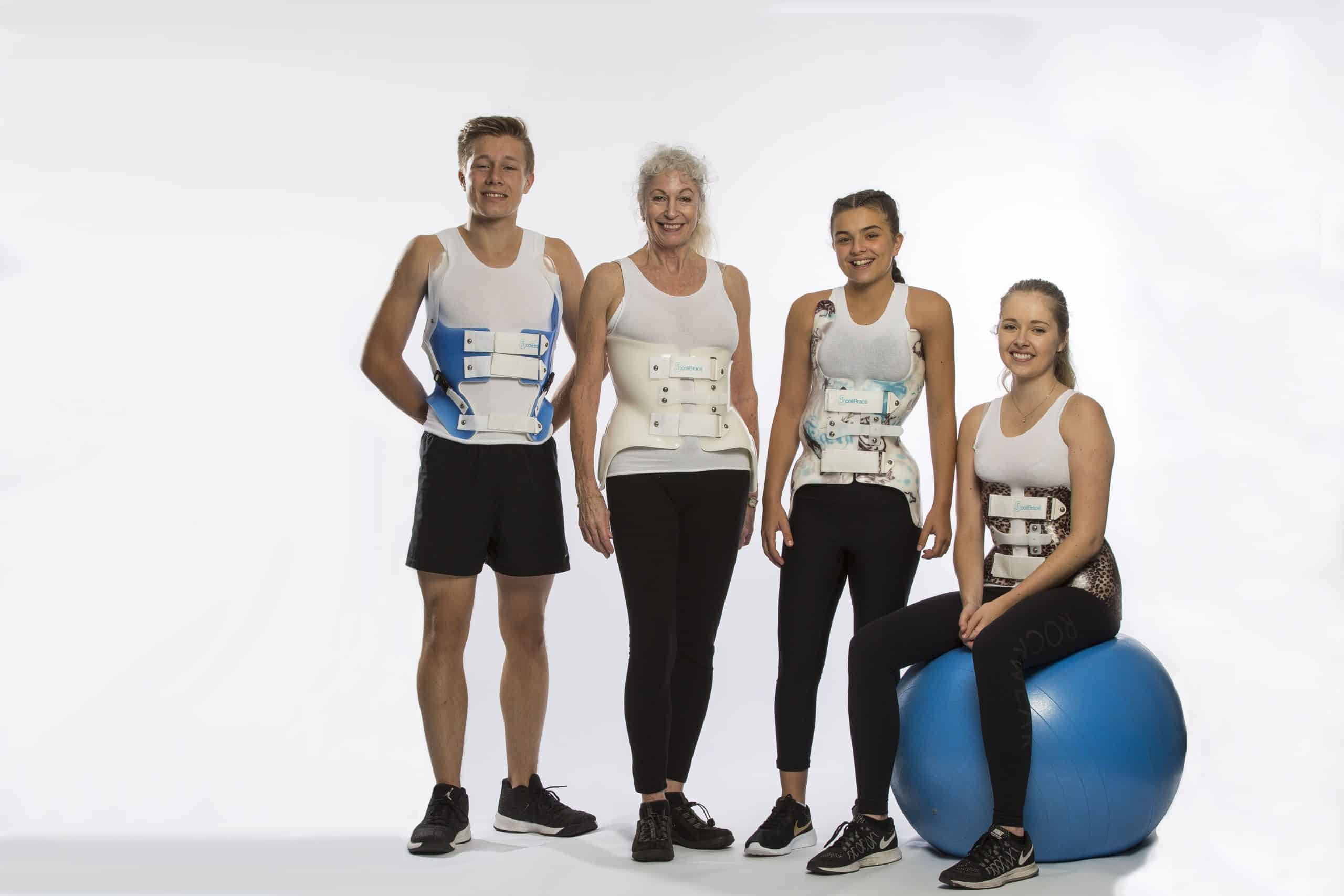
- Custom adult bracing for posture support and pain relief.
- Targeted exercise for strength, flexibility, and balance.
- Manual therapy and massage to reduce muscle tension.
- Advice on ergonomics, activity modification, and pacing.
Appropriate pain medications or injections may also be coordinated with NHS pain services when necessary. Injections, often used to help manage adult scoliosis pain, typically involve a combination of steroids and local anaesthetic delivered directly into the joints of your back or around the nerve roots. These procedures are generally low risk, relatively straightforward, and can provide significant relief, though it's important to note they don't work for everyone, and their effects may wear off over time. Injections can be repeated if needed, forming part of a broader pain management strategy aimed at keeping you as functional and comfortable as possible.
When Is Surgery Considered?
Surgery is reserved for cases where:
- Pain is severe and unresponsive to comprehensive conservative care.
- Significant nerve compression causes progressive weakness or numbness.
- The curve is highly unstable and disrupting function or quality of life.
Dorsi Spinal Institute collaborates closely with spinal surgeons, ensuring that any surgical decision is informed, necessary, and carefully planned with full rehabilitation support.
What to Expect Before and After Adult Scoliosis Surgery
Undergoing surgery for adult scoliosis is never a casual decision, it’s usually reserved for when symptoms are significant and have not improved with non-surgical care. If surgery is recommended, here’s a realistic look at the journey from preparation to recovery.
Before Surgery: Preparation & Planning
- Comprehensive Evaluation: Your medical team will thoroughly assess your overall health, looking at heart, lung, and metabolic function to ensure you can safely undergo anesthesia and the physical demands of surgery. This assessment often includes blood tests, imaging, and sometimes consults with other specialists.
- Personalized Surgical Plan: The type of operation, ranging from relieving nerve pressure to fusing or correcting spinal alignment is tailored to your anatomy and needs. Your surgeon will walk you through the proposed procedure, its goals, and what to expect during and after surgery.
- Understanding Risks and Benefits: Surgery involves weighing the potential benefits against the risks. You’ll discuss possible complications such as infection, blood loss, or nerve injury, as well as the benefits in terms of pain relief, improved function, and stability.
- Pre-Operative Optimisation: It’s common to take steps to optimize your health before surgery, such as managing chronic conditions, stopping smoking, or following a specific exercise plan to build strength.
After Surgery: Hospital Stay & Recovery
- Immediate Recovery: After your operation, you’ll be closely monitored, sometimes in a high-dependency or intensive care unit, especially if the procedure is extensive or you have other medical issues. Pain is managed proactively, and you’ll start moving; often with support on day one or two to reduce the risk of complications.
- Types of Surgery and Recovery Outlook:
- Decompression Only: If your surgery involves simply relieving nerve pressure, the procedure and recovery are relatively straightforward. Many notice an improvement in leg symptoms soon after.
- Fusion or Instrumented Correction: If your procedure involves fusing parts of your spine with screws, rods, or implants, or realigning a significant curve, expect a longer physical recovery. These surgeries aim to stabilize the spine and may improve both pain and function, though initial discomfort and limited mobility are expected.
- Combined Anterior and Posterior Approaches: For more severe curves, surgery may be staged or performed through both the front and back of the spine, which is a major undertaking and requires a longer hospital stay and recovery.
- Rehabilitation: Physical therapy will be an important part of your recovery, helping you restore movement, regain strength, and learn safe ways to move as you heal. Staff will guide you through daily activities, walking, and eventually progressing to more independent function.
- Long-Term Follow-Up: Regular check-ins with your surgical and rehabilitation team will ensure you’re healing well and achieving the expected outcomes. Most people see the biggest improvements in function and pain several months after surgery.
Surgery for adult scoliosis is significant, but for the right person, it can dramatically improve quality of life by reducing pain and restoring mobility. At the Dorsi Spinal Institute, we’ll be with you every step of the way, from preparation to long-term recovery.
Risks and Considerations in Adult Scoliosis Surgery
Surgical intervention for adult degenerative scoliosis is a significant step, often involving complex procedures and a longer recovery process than for younger patients. Because age-related changes in the body can affect healing and increase risk, most spine specialists will only recommend surgery after all non-surgical options have been fully explored.
Key considerations include:
- Preoperative Assessment: A thorough evaluation of your overall health and fitness for surgery is essential. Pre-existing medical conditions, such as heart disease or diabetes, can impact both the safety of the operation and your recovery.
- Potential Risks: Surgery carries risks that may include infection, blood loss, blood clots, and complications related to anesthesia. In adults, these risks are heightened due to age and other comorbidities.
- Complexity of Recovery: Some individuals may require monitoring in an intensive care or high dependency unit following surgery, particularly if the procedure is extensive.
- Tailored Approach: The type and extent of surgery are determined in close discussion with your consultant, taking into account the specific curve pattern, nerve involvement, and your personal goals.
- Weighing the Benefits: While surgery can relieve severe pain, improve alignment, and address nerve compression, it's not without its challenges and results are not reliable. Some patients can be in more pain after. The benefits must clearly outweigh the risks to proceed.
By carefully considering each of these factors and working with a multi-disciplinary team; the Dorsi Spinal Institue ensures that surgical decisions are made with your long-term wellbeing and quality of life as the primary focus.
Living Well with Adult Scoliosis
Degenerative scoliosis does not have to mean losing independence or joy. With an effective mix of bracing, exercise, hands-on care, and lifestyle adjustments, most adults can maintain active, fulfilling lives.
Our aim at Dorsi is to help you understand your condition, reduce pain, and regain confidence in movement, whether you are still working, caring for family, or enjoying retirement.
Next Steps
If you’ve been told you have degenerative scoliosis, or if you suspect age-related curve changes are causing your back or leg pain, contact Dorsi Spinal Institute. A thorough evaluation and tailored plan can help you move from fear and uncertainty to clarity and control.
Related reading: explore our blogs on adult scoliosis pain management, bone health, and driving and travel with scoliosis.