Back pain and scoliosis often get mentioned in the same breath, but the relationship is not always straightforward. Some people with significant curves have little pain; others with modest curves can be in real distress. Understanding the causes allows for better, more targeted relief.
Why Scoliosis Can Cause Pain
Possible pain drivers include:
- Uneven loading on discs and facet joints leading to wear.
- Muscle fatigue from constantly working to keep the body balanced.
- Nerve compression where the curve narrows nerve passageways.
Children vs Adults
Children and teenagers with scoliosis are often pain-free or experience only mild, activity-related aches. Adults, especially with degenerative changes, are more likely to experience ongoing pain that needs active management.
Assessment at Dorsi Spinal Institute
We evaluate:
- Exact pain location and pattern.
- Curve type and severity.
- Muscle strength, flexibility, and posture.
- Signs of nerve involvement in legs or arms.
Imaging (x-ray, MRI) is used when necessary to pinpoint structural causes.
Treatment Options
Dorsi’s multidisciplinary pain plans may include:
- Scoliosis-specific physiotherapy.
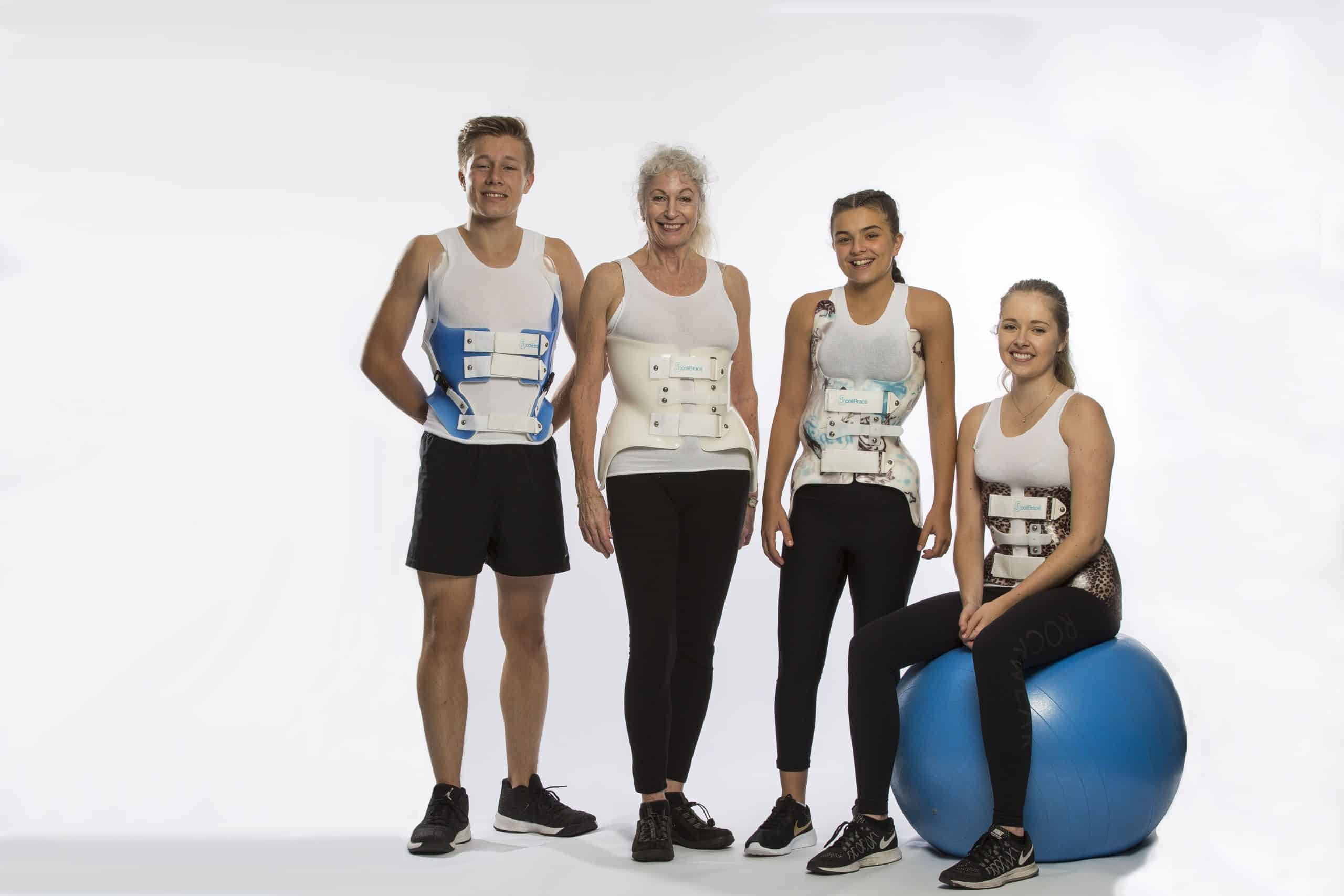
- Adult bracing for support and load reduction.
- Manual therapy and massage.
- Activity modification and ergonomic advice.
We coordinate with NHS pain clinics for medication or injections when needed.
When to Seek Help Urgently
Immediate review is recommended if pain is accompanied by:
- Leg weakness, numbness, or loss of control.
- Changes in bladder or bowel function.
- Fever or unexplained weight loss.
Next Steps
If scoliosis and back pain are affecting your daily life, Dorsi Spinal Institute can identify what’s causing the pain and build a clear, realistic plan for relief.
Related reading: see our blogs on adult scoliosis pain, neurological symptoms, and exercise approaches.
Written by
Dr Matthew ABJ Potts BSc MSc DC ISPRM
Clinical Director
Doctor of Chiropractic
Specialist Scoliosis Consultant
Fellow of the British Scoliosis Society
Member of the Scoliosis Association (UK)
Chair of the Clinical Advisory Board at Meloq AB
Member of the International Society of Physical and Rehabilitation Medicine
Editorial board member of international journals CICRJ & Rehabilitation Science