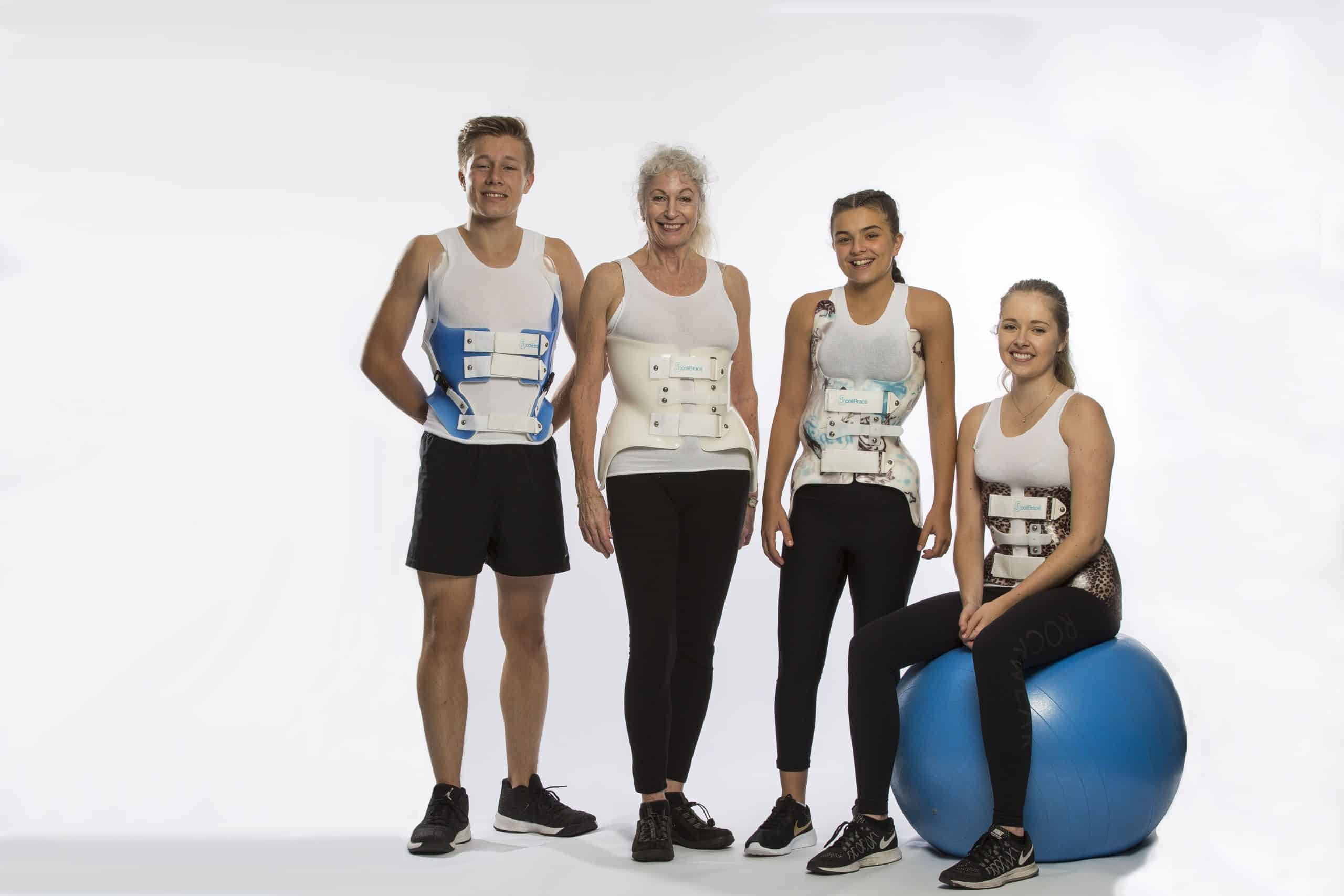
Bracing and exercise are sometimes presented as competing options for scoliosis. At Dorsi Spinal Institute, they are partners. Used together, they provide the most powerful non-surgical approach to curve control and correction.
Braces like ScoliBrace can apply three-dimensional corrective forces to the spine, guiding it toward better alignment. However, they do not actively retrain muscles or movement patterns on their own. Without muscle engagement, gains made in a brace may be harder to maintain after weaning.
Exercises, especially scoliosis-specific methods such as Schroth and SEAS, target strength, flexibility, and postural control. They are excellent for supporting the spine but may not be sufficient to control progression of moderate curves in children who are still growing.
Combining bracing and exercise allows:
Evidence shows that this integrated approach produces better outcomes than either method alone.
Combine this with specialised treatment programmes and we have the Dorsi Method: the only clinic in the UK offering a full spectrum non-surgical programme.
At Dorsi Spinal Institute, brace wear is coordinated with:
This ensures that every hour in or out of the brace contributes to long-term success.
Exercises also give patients a sense of control and agency, turning them from passive recipients of care into active participants. This psychological shift supports adherence and resilience.
If you’ve heard mixed messages about bracing versus exercise, Dorsi Spinal Institute can clarify your options and design a combined programme that plays to the strengths of both.
Related reading: see our blogs on scoliosis-specific exercises, ScoliBrace technology, and curve correction outcomes.
Written by