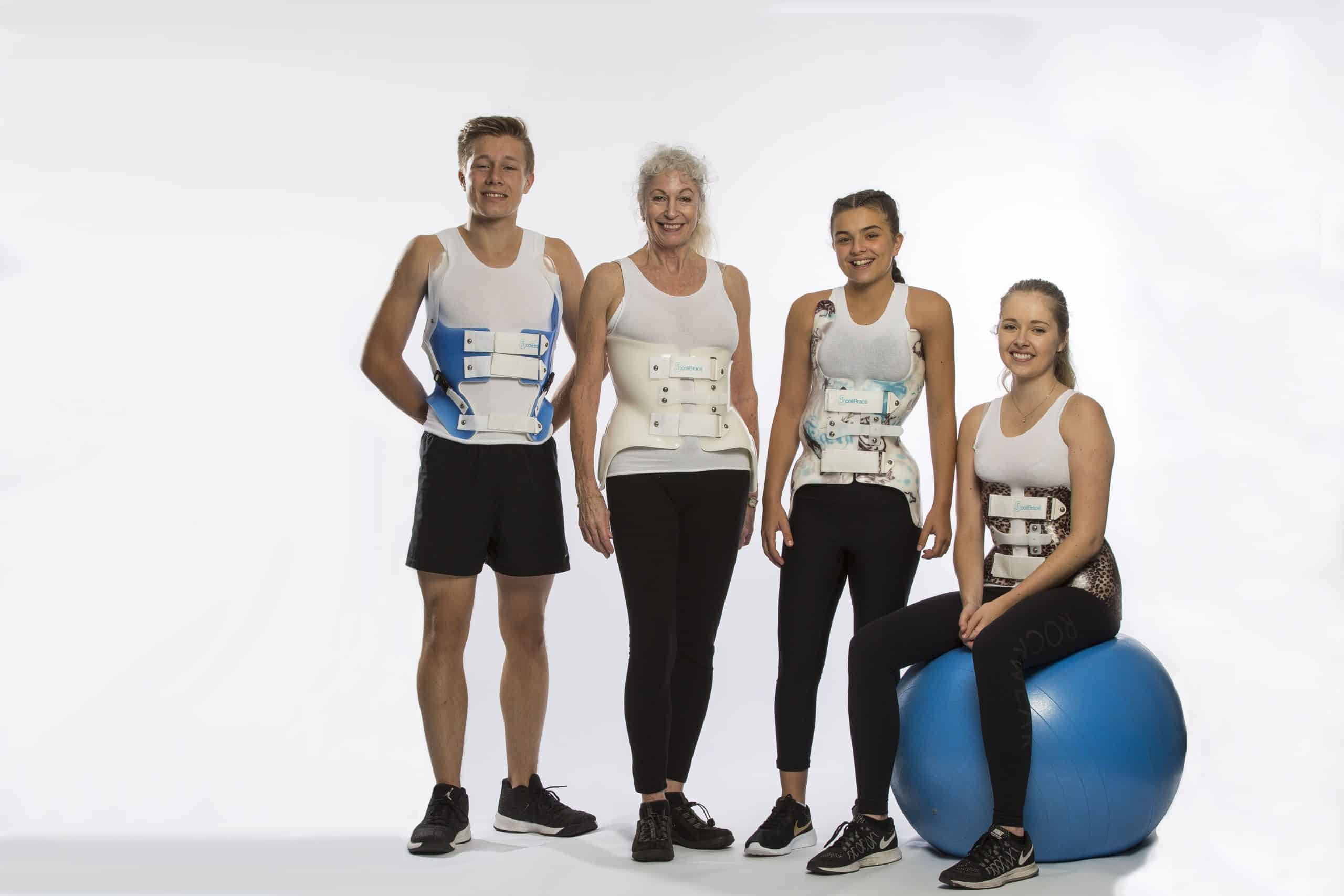
One of the most common fears parents have after a scoliosis diagnosis is that their child will need to stop sport or avoid physical activity. In reality, most children and teenagers with scoliosis can and should stay active with the right guidance.
Staying active builds strength, cardiovascular fitness, and confidence. For young people with scoliosis, it can also:
There is no evidence that sensible sporting participation worsens curves when monitored and treated appropriately. In fact we believe that a healthy strong body will better adapt to any scoliosis specific therapy including bracing, improve mental health and allow you to prepare for a life after bracing with a strong spine.
Most non-contact and moderate-contact sports are safe for scoliosis patients, including:
Dorsi Spinal Institute assesses each patient individually, but in general we encourage continued participation in these activities.
Some sports may require modifications or closer monitoring, especially for patients with larger curves, pain, or those in bracing:
We rarely recommend complete avoidance, but we may suggest technique adjustments, strength pre-conditioning, or limits on high-risk movements.
Many brace wearers can still participate in sports. Sometimes the brace is worn during low-impact activities and removed for high-intensity sport, depending on the treatment plan. Dorsi clinicians provide clear instructions tailored to each child.
We advise seeking review if sport causes:
In these cases, we may adjust bracing, exercise intensity, or investigate for other issues.
We work with families, schools, and coaches to create realistic, healthy activity plans. Where needed, we provide letters outlining restrictions or recommendations, and help young athletes return to sport after surgery or major treatment.
If you’re unsure what sports are safe for your child—or yourself—book a consultation at Dorsi Spinal Institute. We’ll create a personalised activity roadmap that keeps you moving safely and happily.
Related reading: see our blogs on swimming, dance and more, and scoliosis-specific exercise.
Written by