
hello world!

Adult Degenerative Scoliosis Reality—Adult Scoliosis

Adult Degenerative Scoliosis Reality—Adult Scoliosis

Many adults first hear the phrase “degenerative scoliosis” in midlife or later, often after months or years of nagging back pain. Unlike adolescent idiopathic scoliosis, which appears during growth, degenerative scoliosis typically develops as a result of age-related wear and tear in the spine.

What Is Adult Degenerative Scoliosis?

Adult degenerative scoliosis—sometimes called “de novo” scoliosis—usually arises after the age of 40 or 50. As spinal discs lose height and joints become arthritic, the spine can start to lean or curve, creating a new scoliosis or worsening a small, previously unnoticed curve.

These changes are structural and can affect both the shape and stability of the spine. They often involve the lumbar (lower back) region, which carries much of the body’s weight.

Common Symptoms

Symptoms of adult degenerative scoliosis can include:

  • Persistent low back pain that worsens with standing or walking.
  • Leg pain, numbness, or tingling (sciatica-like symptoms).
  • Fatigue when standing upright for long periods.
  • Noticeable trunk lean or imbalance.

Some people also report difficulty walking long distances or standing in queues, while feeling better when sitting or leaning forward.

Why Does It Happen?

Several factors contribute to degenerative scoliosis:

  • Disc degeneration and loss of disc height.
  • Facet joint arthritis and instability.
  • Osteoporosis and vertebral compression fractures.
  • Muscle weakness or imbalance.

These issues can combine to gradually misalign the spine.

Assessment at Dorsi Spinal Institute

At Dorsi Spinal Institute, assessment of adult degenerative scoliosis involves:

  • Detailed history and physical examination.
  • Weight-bearing x-rays to see the curve under normal load.
  • MRI scanning when nerve compression is suspected.
  • Evaluation of bone density, muscle strength, and posture.

This whole-person approach ensures that all pain drivers—not just the curve—are addressed.

Non-Surgical Management

Most adults with degenerative scoliosis can be managed without surgery. Dorsi’s non-surgical programmes may include:

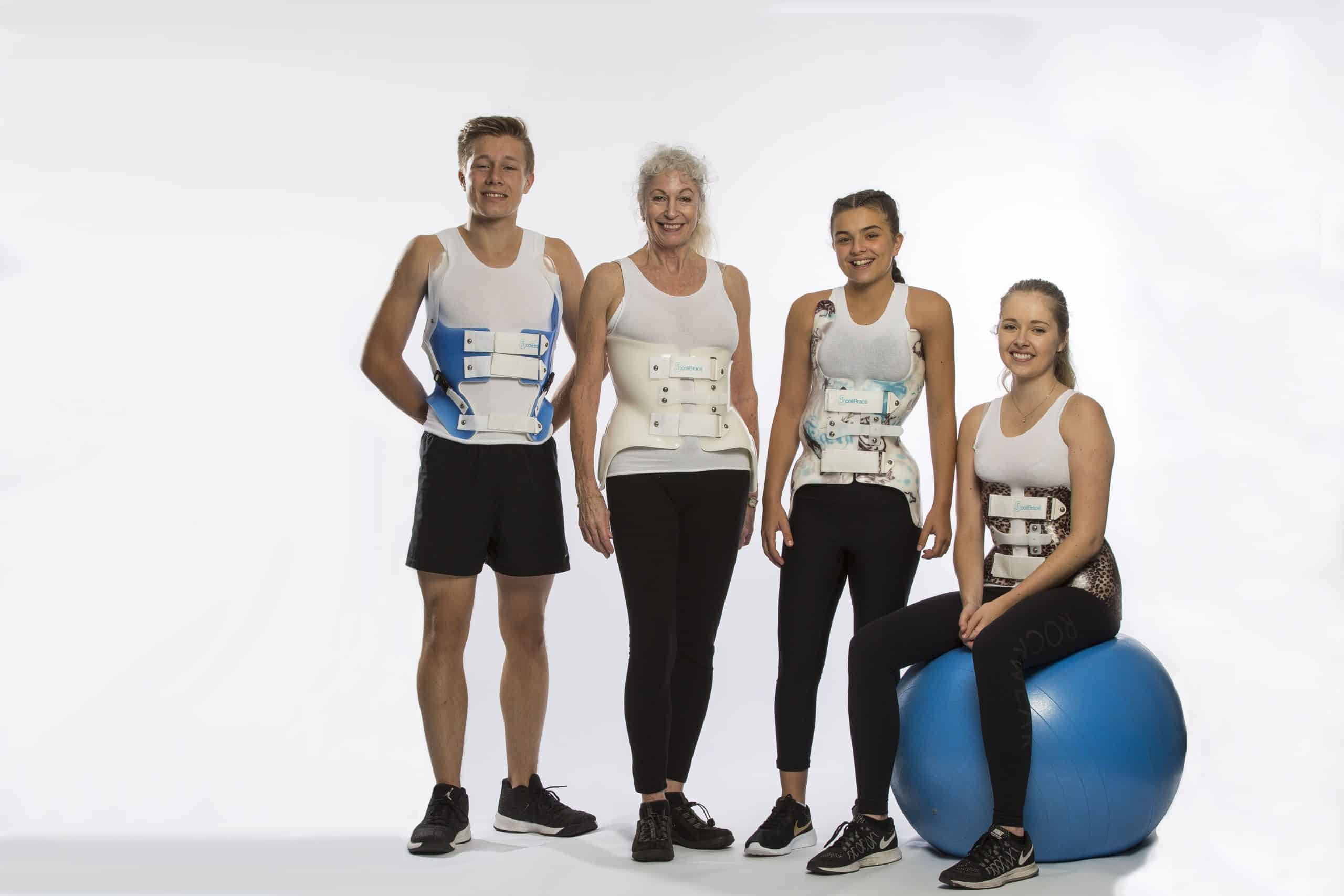
  • Custom adult bracing for posture support and pain relief.
  • Targeted physiotherapy for strength, flexibility, and balance.
  • Manual therapy and massage to reduce muscle tension.
  • Advice on ergonomics, activity modification, and pacing.

Appropriate pain medications or injections may also be coordinated with NHS pain services when necessary.

When Is Surgery Considered?

Surgery is reserved for cases where:

  • Pain is severe and unresponsive to comprehensive conservative care.
  • Significant nerve compression causes progressive weakness or numbness.
  • The curve is highly unstable and disrupting function or quality of life.

Dorsi Spinal Institute collaborates closely with spinal surgeons, ensuring that any surgical decision is informed, necessary, and carefully planned with full rehabilitation support.

Living Well with Adult Scoliosis

Degenerative scoliosis does not have to mean losing independence or joy. With an effective mix of bracing, exercise, hands-on care, and lifestyle adjustments, most adults can maintain active, fulfilling lives.

Our aim at Dorsi is to help you understand your condition, reduce pain, and regain confidence in movement—whether you are still working, caring for family, or enjoying retirement.

Next Steps

If you’ve been told you have degenerative scoliosis, or if you suspect age-related curve changes are causing your back or leg pain, contact Dorsi Spinal Institute. A thorough evaluation and tailored plan can help you move from fear and uncertainty to clarity and control.

Related reading: explore our blogs on adult scoliosis pain management, bone health, and driving and travel with scoliosis.


Written by
Dr Matthew ABJ Potts BSc MSc DC ISPRM
Clinical Director 
Doctor of Chiropractic 
Specialist Scoliosis Consultant 
Fellow of the British Scoliosis Society 
Member of the Scoliosis Association (UK)
Chair of the Clinical Advisory Board at Meloq AB
Member of the International Society of Physical and Rehabilitation Medicine
Editorial board member of international journals CICRJ & Rehabilitation Science
The information contained in this message is likely to be confidential and may be legally privileged. The dissemination, distribution, copying or disclosure of this message, or its contents, is strictly prohibited unless authorised by the Dorsi Spinal Institute. It is intended only for the person named as the addressee and if you have received this message in error, please immediately return it to the sender at the above address. Please follow the link to see our full privacy policy https://dorsi.uk/dorsi-spinal-institute-privacy-policy/

scoliosis treatment
© Copyright 1996-2026- Dorsi Spinal Ltd - All Rights Reserved

Dorsi Spinal Ltd is registered with Companies House at 11 Malin Hill, Nottingham, England, NG1 1JQ in England & Wales. Company Number: 10252956.
linkedin facebook pinterest youtube rss twitter instagram facebook-blank rss-blank linkedin-blank pinterest youtube twitter instagram
