
hello world!

Idiopathic Scoliosis Explained—Types of Scoliosis

Idiopathic Scoliosis Explained—Types of Scoliosis

“Idiopathic scoliosis” is the most common form of scoliosis seen in children and teenagers. The term “idiopathic” simply means that no single, specific cause has been identified. Understanding what this type is—and isn’t—helps families make sense of diagnosis and treatment.

What Is Idiopathic Scoliosis?

Idiopathic scoliosis is a structural, three-dimensional curve of the spine that appears in otherwise healthy children, often with no obvious symptoms. It is subdivided by age:

  • Infantile: onset under age 3.
  • Juvenile: onset between ages 3 and 10.
  • Adolescent: onset from age 10 to skeletal maturity (most common).

How It Differs from Other Types

Idiopathic scoliosis is distinct from:

  • Congenital scoliosis: caused by malformed vertebrae present at birth.
  • Neuromuscular scoliosis: associated with underlying conditions such as cerebral palsy or muscular dystrophy.
  • Degenerative (de novo) scoliosis: appearing in older adults due to age-related changes.

Why the Cause Is Not Always Known

Idiopathic does not mean “random.” It simply means that no single, dominant cause has been pinpointed. Instead, a combination of genetic, growth, and possibly environmental factors interplay to create curves in susceptible individuals.

Research continues to explore gene variants, hormonal influences, and biomechanical contributors.

Management of Idiopathic Scoliosis

At Dorsi Spinal Institute, management is based on curve size, progression risk, and growth stage:

  • Observation for very small, stable curves.
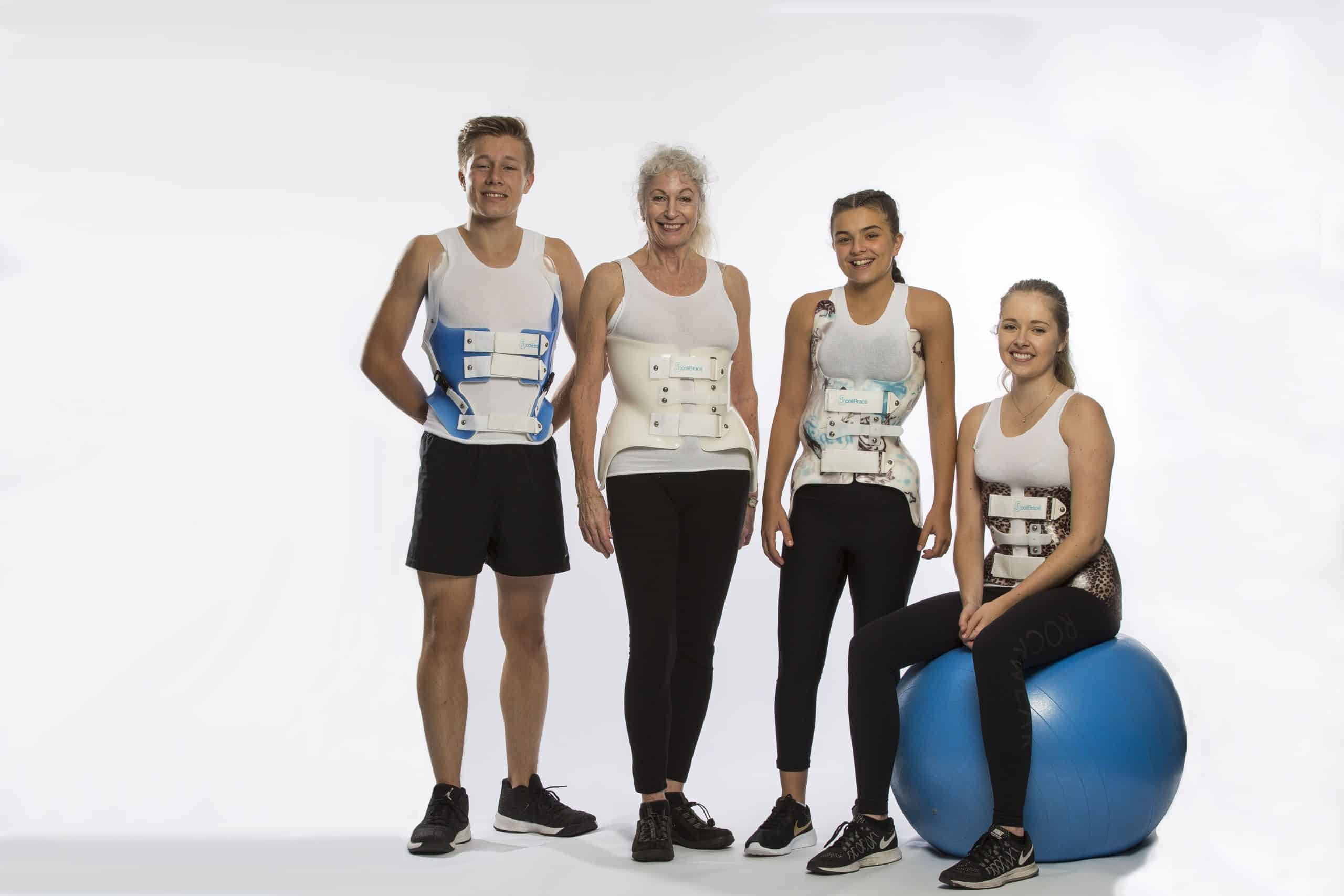
  • Custom 3D bracing and exercise for moderate curves or those at risk of progression.
  • Surgical evaluation for severe, rapidly progressing curves.

Prognosis

Many patients with idiopathic scoliosis, especially those detected early and treated appropriately, lead completely normal lives without lasting physical limitation.

Next Steps

If you’ve been told your child has “idiopathic scoliosis,” Dorsi Spinal Institute can provide a clear explanation of what that means, what to expect, and how to protect their long-term health.

Related reading: see our posts on adolescent idiopathic scoliosis, curve progression, and family risk.


Written by
Dr Matthew ABJ Potts BSc MSc DC ISPRM
Clinical Director 
Doctor of Chiropractic 
Specialist Scoliosis Consultant 
Fellow of the British Scoliosis Society 
Member of the Scoliosis Association (UK)
Chair of the Clinical Advisory Board at Meloq AB
Member of the International Society of Physical and Rehabilitation Medicine
Editorial board member of international journals CICRJ & Rehabilitation Science
The information contained in this message is likely to be confidential and may be legally privileged. The dissemination, distribution, copying or disclosure of this message, or its contents, is strictly prohibited unless authorised by the Dorsi Spinal Institute. It is intended only for the person named as the addressee and if you have received this message in error, please immediately return it to the sender at the above address. Please follow the link to see our full privacy policy https://dorsi.uk/dorsi-spinal-institute-privacy-policy/

scoliosis treatment
© Copyright 1996-2026- Dorsi Spinal Ltd - All Rights Reserved

Dorsi Spinal Ltd is registered with Companies House at 11 Malin Hill, Nottingham, England, NG1 1JQ in England & Wales. Company Number: 10252956.
linkedin facebook pinterest youtube rss twitter instagram facebook-blank rss-blank linkedin-blank pinterest youtube twitter instagram
